
UN Security Council to Vote on US Resolution for Gaza Stabilization Force
Introduction:
The UN Security Council is poised to vote on a U.S.-sponsored resolution that would establish an International Stabilization Force in Gaza, a centerpiece of the ceasefire plan brokered under former President Trump. The proposal is gaining traction but faces significant opposition particularly from Hamas, which calls the potential deployment “foreign guardianship” and rejects it outright.
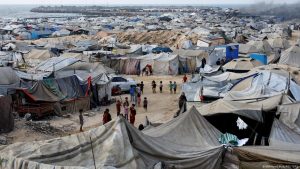
Meanwhile, Gaza’s humanitarian crisis deepens. Authorities say at least 300,000 tents are urgently needed to shelter displaced Palestinians as winter brings freezing temperatures. This comes amid staggering death tolls: over 69,000 Palestinians killed and more than 170,000 wounded since October 2023, according to Gaza authorities. On the Israeli side, 1,139 people died in the October 7 Hamas-led attacks, and around 200 remain captive.
What’s in the U.S. Resolution?
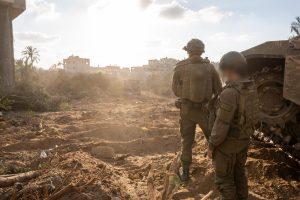
The resolution outlines the creation of an International Stabilization Force tasked with maintaining the ceasefire, providing security, and supporting civilian infrastructure.
It does not explicitly name contributing countries, raising speculation about which nations would participate.
While Israel has expressed cautious support, key questions remain around the force’s mandate, rules of engagement, and duration.
Hamas Objects to Foreign Troops:
A Hamas spokesman told media outlet that any foreign military presence would be a form of “foreign guardianship,” swapping one form of occupation for another.
The group emphasizes its rejection of the plan, raising concerns about sovereignty, accountability, and the force’s long-term role.
This opposition could derail the resolution or complicate its implementation, despite its potential benefits.
Humanitarian Crisis Deepens in Gaza:
More than 300,000 tents are reportedly needed to shelter internally displaced Palestinians as winter approaches.
Conditions in Gaza remain dire: limited access to clean water, power outages, and scarce medical supplies.
The winter months could dramatically worsen the suffering for those displaced, especially children, the elderly, and the sick.
The Human Toll So Far:
According to Gaza health authorities, the war has killed at least 69,483 Palestinians and injured 170,706 since the start of the conflict in October 2023.
On October 7, 2023, Hamas-led attacks in Israel resulted in 1,139 deaths and nearly 200 hostages taken.
These numbers underscore the urgency behind diplomatic efforts, but also the scale of the challenge that any stabilization force would face.
What Happens Next?
The UN Vote: The Security Council’s decision could shape the future of the ceasefire. Approval would mark a major step toward international involvement but dissent could stall the plan.
Deployment Challenges: If the force is approved, assembling and deploying troops, defining roles, and gaining local acceptance will be complex.
Humanitarian Scale-Up: Even with a force in place, humanitarian agencies will need to rapidly increase their efforts to deliver tents, food, and medical aid before winter worsens.
Political Risks: For Hamas and other local actors, agreeing to foreign troops may carry political costs. For contributing nations, the risks of on-the-ground deployment in a volatile region are high.
The upcoming vote at the UN Security Council is a defining moment. It could usher in an international stabilization force, potentially helping to enforce a fragile ceasefire and support Gaza’s recovery. But the plan is not without controversy. Hamas’ strong rejection, the scale of the humanitarian need, and the logistical challenges ahead make the path forward precarious.
As the world watches, the question remains: can international involvement help rebuild peace and stability or will it deepen existing tensions?