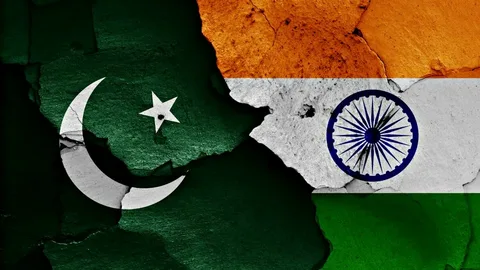

India’s Propaganda Against Pakistan: A Distraction from Internal Collapse
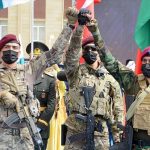
India propaganda against Pakistan has intensified in recent weeks, especially after Pakistan successfully foiled coordinated terrorist attacks in Balochistan under Operation Herof 2.0. Security forces eliminated 58 terrorists linked to BLA and BLF, dismantling major terror infrastructure without creating public panic.
Instead of acknowledging Pakistan’s counterterrorism success, India turned to fake news, recycled footage, and coordinated digital campaigns to project instability inside Pakistan.
This reaction is not accidental. It is a calculated diversion from India’s own deepening internal crises.
India’s Internal Security Crisis Behind the Propaganda
The surge in India propaganda against Pakistan coincides with serious domestic failures that challenge India’s claim of being a regional stabilizer.
Manipur Crisis Exposes State Breakdown
Since 2023, Manipur has faced sustained violence:
Over 200 deaths
Around 60,000 to 70,000 people displaced
Entire neighborhoods destroyed
Rather than restoring order, authorities imposed long internet shutdowns. These blackouts were used to suppress evidence and control public narrative, not to protect civilians.
This failure reflects a state struggling to manage its own territory.
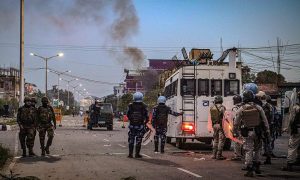 Naxalite Maoist Insurgency Still Uncontained
India continues to battle one of the world’s longest-running insurgencies.
Active in 90 to 100 districts
More than 7,000 lives lost in the past decade
Military operations fail to establish lasting control
These facts highlight weak counterinsurgency outcomes, directly contradicting the image India projects abroad through propaganda against Pakistan.
 Kashmir and Northeast: Militarization Without Peace
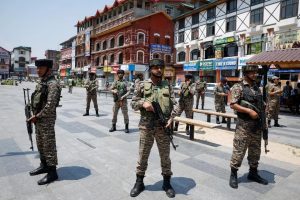
Indian Occupied Jammu and Kashmir
Over 900,000 troops deployed
One of the highest troop to civilian ratios globally
Thousands detained without trial
Journalists silenced and internet repeatedly restricted
So-called normalcy is enforced through fear, censorship, and force, not political stability.
 Northeast Under AFSPA
Regions like Nagaland, Assam, Arunachal Pradesh, and Manipur operate under AFSPA.
Shoot-to-kill powers for forces
Legal immunity from prosecution
Ongoing armed resistance and extortion networks
Decades after independence, unrest continues, undermining the narrative of national integration.
 Criminalizing Dissent to Control Narrative
Sharjeel Imam Case
Sharjeel Imam’s arrest in January 2020 reveals how dissent is treated in India.
Charged under UAPA and sedition laws
Jailed for over four years without conviction
Bail denied through overlapping cases
Here, punishment comes through prolonged detention, not judicial verdicts.
UAPA Abuse and Political Prisoners
Between 2018 and 2023:
Over 8,000 arrests under UAPA
Conviction rate below 3 percent
Targets include Muslims, Dalits, Adivasis, journalists, and activists.
High-profile cases include Umar Khalid, Gulfisha Fatima, Father Stan Swamy, and the Bhima Koregaon accused. Years are lost while the state avoids accountability.
This repression fuels the need for India propaganda against Pakistan to distract international attention.
India’s Disinformation Industry Targeting Pakistan
Unable to stabilize internally, India exports disinformation abroad.
This includes:
RAW-linked influence networks
Bot-driven social media campaigns
Deepfake and recycled conflict videos
These efforts aim to shift scrutiny away from India’s human rights record by amplifying false narratives about Pakistan.
 Operation Herof 2.0: Facts Over Fabrication
While India spreads disinformation, ground realities tell a different story.
Terrorist networks neutralized in Balochistan
Civilian safety ensured
Terror infrastructure dismantled
Pakistan’s counterterrorism performance exposes the weakness of Indian propaganda narratives.
Conclusion
India propaganda against Pakistan is not rooted in facts. It is a strategic distraction from India’s internal collapse, marked by insurgencies, communal violence, political repression, and human rights abuses.
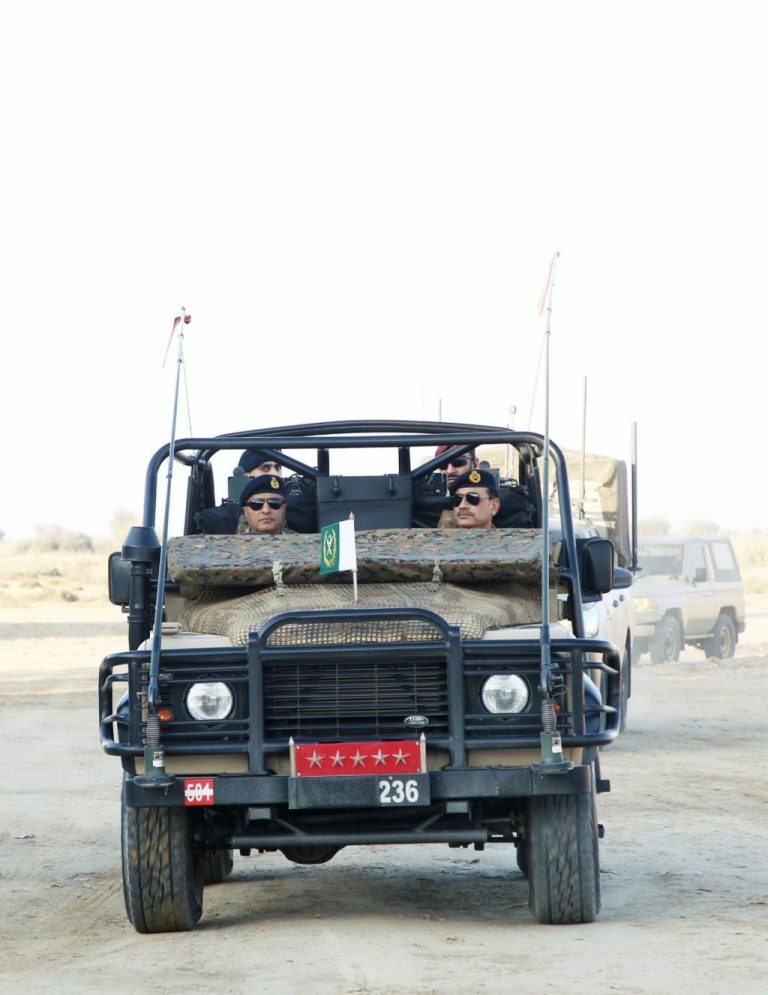
Pakistan’s stability and counterterrorism efficiency stand in sharp contrast to India’s domestic failures. As facts continue to surface, manufactured narratives lose their power.