
Introduction:
Empowering women is one of the most powerful tools for achieving social progress, economic growth, and sustainable peace. Yet, across many developing countries in South Asia and nearby regions, gender inequality continues to hold societies back. Countries like Pakistan, India, Bangladesh, Afghanistan, and Iran share similar challenges but also a powerful opportunity: their youth.
Young people make up the majority of the population in these nations. With their energy, creativity, and global awareness, they can play a transformative role in advancing women’s empowerment and creating a more inclusive society.
The State of Women’s Empowerment in the Region:
Across South Asia, women have made important strides in education and the workforce, but deep-rooted social and cultural barriers remain.
In Pakistan, women’s participation in the labor force is still under 25 percent, and many face limited access to higher education and leadership roles. In India, despite strong legal frameworks and campaigns like Beti Bachao Beti Padhao, safety concerns and traditional gender roles continue to hinder progress.
Bangladesh has emerged as a success story through its microfinance programs and thriving garment industry, which employ millions of women, yet rural women often remain economically dependent.
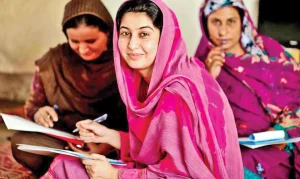
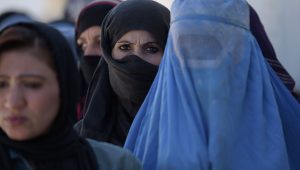
Afghanistan faces heartbreaking setbacks, as girls and women have been systematically excluded from schools and public life.
In Iran, while female literacy rates are high, restrictive laws and limited public participation slow the pace of gender equality.
These realities make one thing clear: empowering women is not just a government responsibility it is a collective mission that must involve the youth.
Why Youth Matter?
Youth are the heart of transformation. They bring new ideas, challenge outdated norms, and possess the digital skills to influence public opinion. Young people today are not bound by traditional hierarchies; they use their voices online and offline to call for equality and justice.
When young men support women’s rights, they create allies who redefine masculinity and promote mutual respect. When young women take the lead, they inspire others to believe in their own potential. Together, they build a stronger, fairer society.
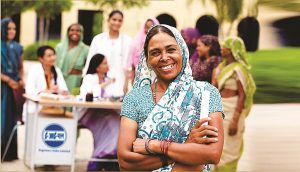
In countries like Pakistan, India, Bangladesh, Afghanistan, and Iran, empowering youth to champion women’s empowerment is not just an option it is the key to national and regional progress.
Youth-Led Initiatives and Innovations:
Across South Asia, inspiring youth-led efforts are already making an impact.
In Pakistan, young activists are using social media to raise awareness about women’s rights and education. Digital literacy programs and mentorship initiatives are helping young women pursue careers in science and technology.
In India, university students are forming gender equality clubs and collaborating with non-governmental organizations to promote safety, education, and equal opportunity. Young innovators have even developed mobile applications that help women report harassment and access emergency support.
In Bangladesh, youth-run social enterprises are training women in sustainable crafts and green energy businesses.
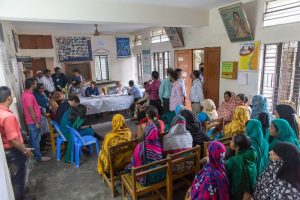
In Afghanistan, brave young educators continue to organize informal learning groups for girls despite facing immense risks.
In Iran, youth use art, literature, and online platforms to express solidarity and advocate for women’s participation in society.
Each of these examples shows that youth are not waiting for permission to act they are already creating change from within their communities.
Challenges That Must Be Overcome:
Even as youth take the lead, they face serious obstacles. Cultural norms, social stigma, and economic pressures often discourage young women from pursuing education or leadership roles. In conservative societies, advocating for women’s rights can bring criticism or even danger.
Limited funding and lack of mentorship make it difficult for youth-led organizations to grow. Rural youth often have less access to technology and quality education. Political instability, especially in Afghanistan and parts of Iran, further restricts civic engagement.
Despite these hurdles, young people across the region continue to show remarkable resilience and determination. What they need most is consistent support through education, resources, and international partnerships that amplify their voices.
The Way Forward: Building a Regional Youth Movement:
Women’s empowerment cannot thrive in isolation. It must be nurtured through networks that connect young change-makers across borders. Youth diplomacy provides the perfect foundation for such collaboration.
Imagine a regional youth platform where activists from Pakistan, India, Bangladesh, Afghanistan, and Iran can share ideas, learn from each other, and design joint campaigns for gender equality. Through virtual exchanges, training programs, and mentorship, young people can overcome political and cultural barriers to unite for a common cause.
Organizations like the Youth Diplomacy Forum (YDF) can play a central role in this mission by offering leadership training, cross-cultural dialogue, and opportunities for youth to engage in international policy discussions. When youth from different backgrounds collaborate for women’s empowerment, they not only transform their societies but also strengthen regional peace and understanding.
Conclusion:
Empowering women is not only about equality it is about unlocking the full potential of a nation. The youth of South Asia and neighboring countries stand at the front-lines of this transformation. Their creativity, courage, and compassion can rewrite the story of gender equality in the region.
When a young woman is educated, an entire community is empowered. When a young man becomes an ally, generations move toward equality. When youth unite across borders, they become the architects of a fairer, more peaceful world.
The future of women’s empowerment depends on the passion and participation of young people. It is time to give them the platform, trust, and tools they need to lead the change.