
Ukraine urges tougher global action on Russian oil exports
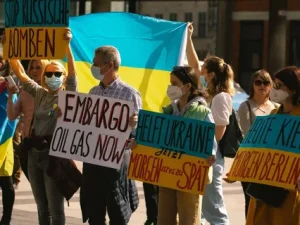
Ukraine demands more pressure on Russian oil. Zelenskyy calls on the United States to put more pressure on Beijing on Russian energy purchases as Ukraine pursues oil earnings.
As the Ukrainian leader considers Moscow’s reliance on oil earnings to finance its war, President Volodymyr Zelenskyy has called on US President Donald Trump to exert pressure on China to stop supporting Russia.
Zelenskyy’s conversation on Tuesday coincided with Trump’s upcoming meeting with Chinese President Xi Jinping later this week.
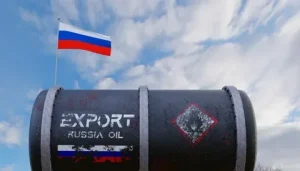
While Ukraine’s military has been attacking its oil industry infrastructure, the US just imposed sanctions on Russia’s two biggest oil businesses.
Zelenskyy is keen to take advantage of Trump’s proposal to substitute US energy supply for Russian energy sales worldwide.
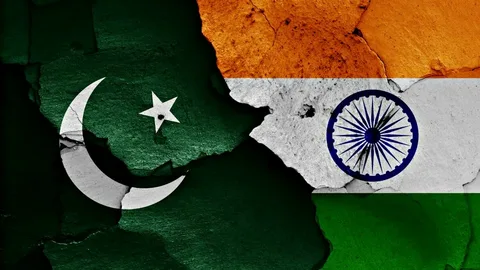
The US president recently urged NATO members to stop buying energy from Moscow, and he is attempting to use tariffs to convince India to follow suit.
According to the transcript of a briefing to journalists, Zelenskyy stated, “I think this may be one of [Trump’s] strong moves, especially if, following [his] decisive sanctions step, China is ready to reduce imports.”
On Thursday, Trump and China’s Xi will meet on the fringes of the APEC summit in Gyeongju, South Korea. This will be their first in-person meeting since the US president took office again and started a drastic overhaul of international commerce.
Indications of disturbance Zelenskyy’s remarks have not yet received a response from Washington.
In response to Russia’s offer of high-quality energy at a “lower price,” Kremlin spokesperson Dmitry Peskov stated that nations will determine for themselves whether or not to comply with US sanctions.
Nonetheless, there are indications that Russia’s oil sector is experiencing upheaval. Lukoil, the nation’s second-largest oil producer and a target of the new policies along with state-owned Rosneft, declared late on Monday that it will look to sell a number of its foreign holdings quickly.
In addition to refineries and networks of gas stations throughout many European states, Lukoil has interests in oil and gas projects in eleven other countries.
The business stated that it is already in contact with possible purchasers and that transactions will take place within the sanctions grace period, which ends on November 21.
In order to finish the expedited transactions, it further stated that it will request an extension if needed.
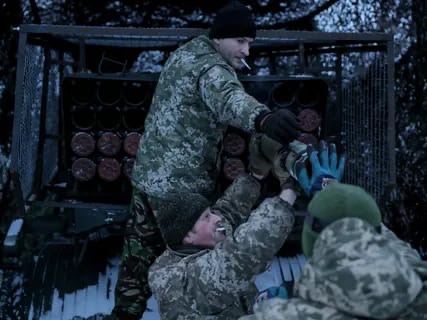
Recovery or missiles By focussing on Russia’s energy infrastructure, the Ukrainian military is likewise attempting to increase pressure.
Zeleneskyy claimed that long-range attacks on Russian refineries have cut Moscow’s ability to refine oil by 20%, citing intelligence from Western nations.
He asked friends to support Kyiv in continuing to utilise longer-range missiles, citing a European Union plan to use frozen Russian assets to protect Ukraine.
He stated that in order to battle for a further two or three years, European financial support is required.
“We will use this money for recovery if the war ends in a month.” We’ll spend it on weaponry if it doesn’t end in a month but rather later. Zelenskyy explained, “We just have no other option.”
Uncertain effect It’s still unclear how much pressure Trump will put on Xi to stop China’s energy purchases from Russia or how much the emphasis on Moscow’s oil earnings would affect its military effort.
Last year, China imported a record 109 million tonnes of Russian oil, accounting for over 20% of its total energy imports.
India imported 88 million tonnes, although it has since indicated that it may cut back on purchases in order to comply with US sanctions.
According to news reports, Chinese state oil corporations have stopped buying Russian oil that is transported by water in recent days.
Russia’s situation is probably going to get more complicated as a result of the US sanctions on Rosneft and Lukoil. Seventy percent of Russia’s crude oil sales abroad come from these two groupings, who export 3.1 million barrels of oil every day.
It is believed that Russia will still be able to locate clients who are ready to disobey the sanctions, in line with Peskov’s remarks.