
Trump Threatens 100% Tariff on Canada Over China Trade Deal
Why the Tariff Threat Matters in Global Trade
In recent developments, US President Donald Trump has warned that Canada could face a 100% tariff on all exports to the United States if the Canadian government proceeds with a recently negotiated trade agreement with China.
What Triggered the Escalation
Trump made the announcement on his social media platform, Truth Social, saying Canada should not become a conduit for Chinese goods entering the US market. He argued that such a deal would harm Canada’s economy and social fabric.
The Planned Canada-China Trade Deal
Canada’s trade agreement with China includes reduced tariffs on Chinese electric vehicles in exchange for lower tariffs on Canadian agricultural exports a major shift in North American trade dynamics.
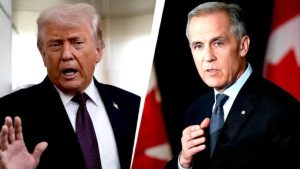
US-Canada Diplomatic Fallout
The tariff threat comes amid broader political tensions between Washington and Ottawa, including disagreements over foreign policy and comments made by Canadian leadership at international forums.
Potential Impact on Canadian Economy
If implemented, a 100% tariff could significantly raise costs for Canadian exporters and disrupt supply chains across sectors like agriculture, automotive and metals.
Global Trade Repercussions
Experts warn that this move could deepen global trade tensions and disrupt existing trade relationships between major economies, prompting concerns about protective trade barriers and market uncertainty.
Trump’s threat to impose a 100% tariff on Canada over a China trade deal underscores the growing volatility in global trade relations and the fragile balance between economic cooperation and political pressure.
As Canada weighs its strategic options, the warning highlights how deeply intertwined trade policy has become with geopolitics, particularly when China is involved.
Whether this tariff threat materializes or remains a negotiating tactic, the episode signals renewed uncertainty for businesses, exporters, and global markets.
In the coming months, the world will be watching closely to see how Canada, the United States, and China navigate this escalating trade standoff and what it means for the future of international commerce.