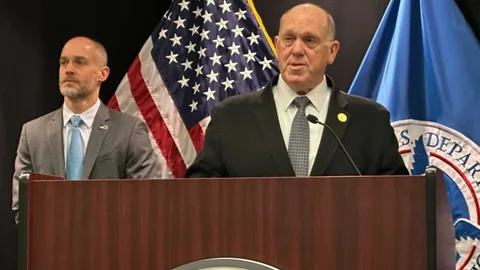

Minnesota Immigration Crackdown Operation Ends After Controversy
The Minnesota immigration crackdown operation has officially ended after months of enforcement actions, protests, and political debate. Announced by Tom Homan with support from Donald Trump, the decision brings closure to a federal campaign that deployed hundreds of immigration agents across Minnesota.
While federal authorities described the operation as a move to improve public safety, critics argued that the enforcement tactics caused fear, social division, and lasting trauma within local communities.
Read
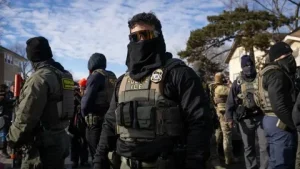
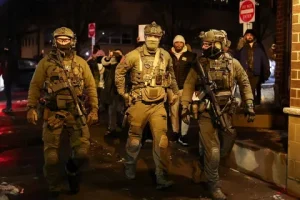
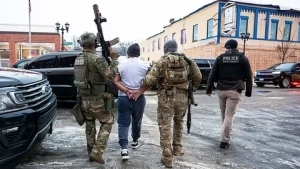
The federal campaign, launched by US Immigration and Customs Enforcement , focused on large scale immigration sweeps across the Minneapolis and St Paul metropolitan area. Authorities reported more than four thousand arrests during the operation, which officials claimed targeted individuals considered a threat to public safety.
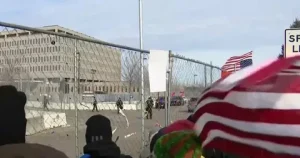
However, reports also suggested that people without criminal records, including families and citizens, were caught up in the enforcement actions. The heavy presence of federal agents triggered widespread protests and public concern about civil rights and community trust.
Analysis
The operation quickly became a major political issue at both state and national levels. Governor Tim Walz described the aftermath as deeply damaging, warning that communities faced long term social and economic effects.
Local leaders expressed concern that aggressive enforcement created fear rather than safety. Mayor Jacob Frey compared the federal presence to an occupation, reflecting the strong reaction from residents and advocacy groups.
Media coverage and public opinion also played a strong role in shaping the outcome. Reporting from Al Jazeera noted that criticism extended beyond political opponents, with some conservative voices questioning the strategy and its impact on public perception. Opinion polls reportedly showed declining support for the tactics used during the operation.
Impact on Communities and Public Trust
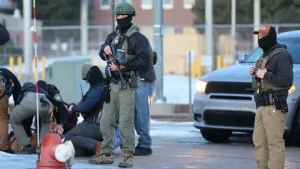
Beyond the political debate, the human impact became a central concern. Protests intensified after incidents involving the deaths of civilians during enforcement actions. Lawmakers held hearings to review footage and question federal officials about the use of force.
Concerns were raised about whether agents followed proper de escalation procedures and respected legal protections during arrests. Critics warned that aggressive tactics could damage relationships between law enforcement and immigrant communities for years to come.
Policy Debate and Federal Accountability
The congressional response highlighted growing pressure for oversight and reform. During hearings, Senator Rand Paul criticized aspects of the operation and called for accountability.
Lawmakers questioned whether current enforcement strategies balance national security with civil rights protections. The debate reflected a broader national conversation about immigration enforcement, public safety, and the role of federal agencies within local communities.
Recommendations
Future immigration operations may require clearer communication with local governments and stronger safeguards for civil rights. Transparent enforcement guidelines could help reduce fear and misinformation among residents.
Independent oversight and better training in conflict resolution may also help ensure that enforcement actions focus on safety without escalating tensions or harming innocent individuals.
Way Forward
As federal authorities return to standard enforcement levels, rebuilding trust will likely become the main challenge. Community leaders and policymakers may focus on dialogue, legal reforms, and cooperation between local and federal agencies.
Efforts to support affected families and restore confidence in public institutions will play a key role in shaping the long term outcome of this controversial chapter.
Conclusion
The end of the Minnesota immigration crackdown operation marks a turning point in a highly debated federal initiative. While officials argue that enforcement strengthened security, critics believe the operation exposed deep flaws in current immigration strategies.
Moving forward, policymakers face the challenge of balancing safety, human rights, and community trust as the national immigration debate continues.