
Marco Rubio Europe Visit Focuses on Central Europe
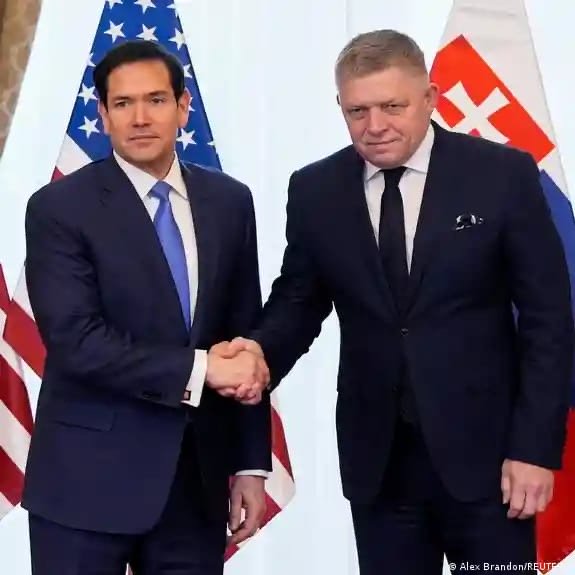
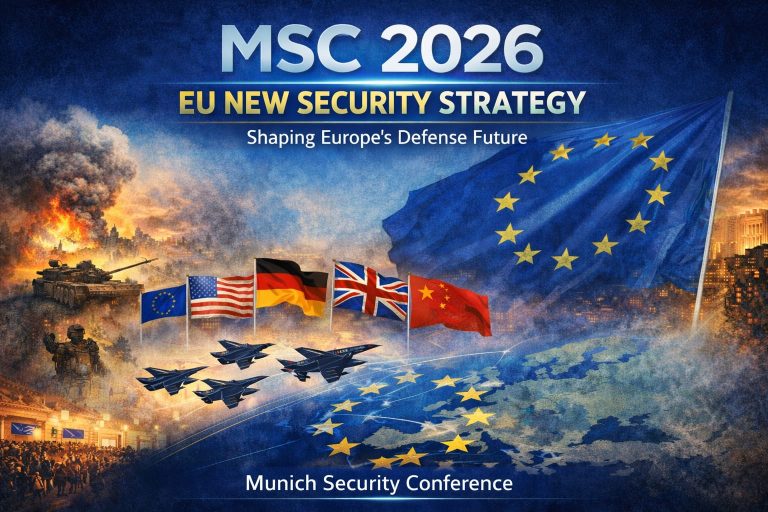
The Marco Rubio Europe Visit has attracted attention as the US secretary of state traveled to Slovakia and Hungary for high-level talks. Marco Rubio arrived after speaking at the Munich Security Conference, where he urged European nations to defend Western values. His two-day trip signals Washington’s effort to strengthen ties with leaders seen as close to US President Donald Trump.
Meetings in Slovakia: Defense and Energy
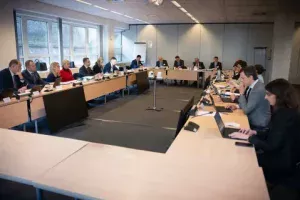
In Bratislava, Rubio met Slovak President Peter Pellegrini and later held talks with Prime Minister Robert Fico. Discussions centered on NATO commitments and defense cooperation. Rubio emphasized partnership rather than dominance, highlighting mutual goals with Europe.
Energy cooperation was a key topic. Slovakia signed a nuclear deal with the US, and Fico hopes an agreement with Westinghouse Electric Company to build a new nuclear plant will be finalized next year. Slovakia is also considering purchasing four more F-16 fighter jets from the US, increasing its fleet to 18 aircraft and reducing dependence on Russian energy.
Hungary Meeting: Orban and Election Challenges
On Monday, Rubio will meet Hungarian Prime Minister Viktor Orban, a strong Trump ally in Europe. Orban faces a tough reelection on April 12 against opposition leader Peter Magyar. He often opposes deeper EU integration and resists the bloc’s Russia policies.
Hungary relies heavily on Russian fossil fuels, similar to Slovakia, and has resisted EU efforts to provide military aid to Ukraine. Both governments have faced criticism from Brussels over democratic standards and rule of law.
Strengthening US-Europe Ties
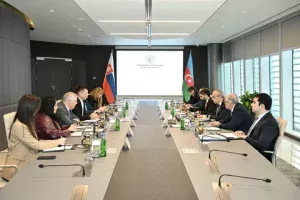
The US aims to use the Marco Rubio Europe Visit to encourage stronger energy ties and NATO commitments. While Washington calls for NATO members to raise defense spending to 5 percent of GDP, Slovakia and Hungary remain at the minimum 2 percent target.
Rubio’s trip highlights a broader US strategy to reinforce relationships with conservative leaders in Central and Eastern Europe. Energy security, defense, and transatlantic cooperation will likely remain central topics in upcoming discussions.