
Deadly Islamabad Blast During Friday Prayers
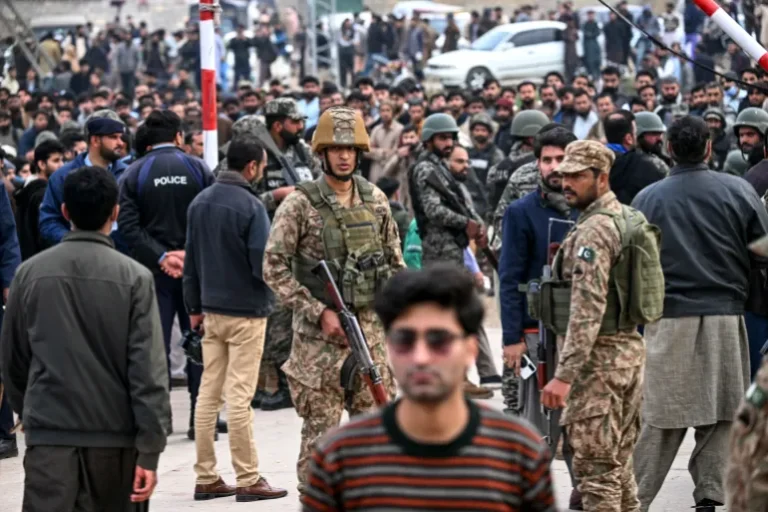
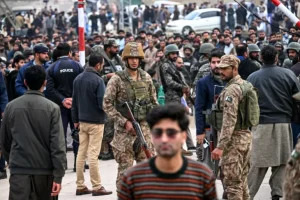
On Friday, February 6, 2026, a deadly Islamabad blast shook the Khadija Tul Kubra mosque, in Tarlai Kalan, Islamabad, Pakistan. The explosion occurred during Jummah (Friday) prayers, when hundreds of worshippers were inside.
Authorities believe the blast was caused by a suicide attacker, who detonated explosives near the mosque entrance after being stopped by security personnel.
Casualties and Rescue Efforts After the Islamabad Blast
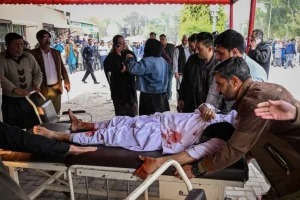
The Islamabad blast left at least 31 dead and 169 injured, with many in critical condition. Emergency teams rushed to the mosque, and hospitals such as the Pakistan Institute of Medical Sciences were overwhelmed with victims.
Eyewitness reports:
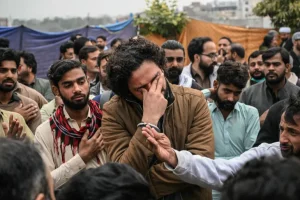
Worshippers ran in panic amid smoke and debris.
Volunteers helped the injured and carried them to nearby ambulances.
Authorities cordoned off the area to control crowds.
Suspected Groups Behind the Islamabad Blast
No group has yet claimed responsibility for the Islamabad blast, but investigations are focusing on militant extremists known to target Shia communities in Pakistan:
Tehreek-e-Taliban Pakistan (TTP)
Islamic State (IS) affiliates
Authorities are gathering evidence to track down perpetrators and prevent similar attacks.
Government and International Reactions to the Islamabad Blast
The Islamabad blast drew strong condemnation both nationally and internationally:
Prime Minister Shehbaz Sharif: Ordered an immediate investigation into the attack.
Deputy Prime Minister Ishaq Dar: Called it a “cowardly attack on innocent worshippers”
International figures: Including the UK ambassador to Pakistan, condemned the blast and expressed condolences.
Why the Islamabad Blast Matters
The Islamabad blast is particularly alarming for several reasons:
It occurred in Pakistan’s capital city, considered relatively secure.
It targeted Shia community, raising sectarian violence concerns.
It highlights ongoing extremist activity in Pakistan, threatening public safety.
Security agencies are on high alert to prevent further attacks.
How to Prevent Attacks Like the Islamabad Blast
While no country can completely eliminate the risk of terrorism, experts say the following measures can significantly reduce the likelihood of attacks and protect citizens:
1. Enhanced Security at Religious Sites
Use metal detectors, CCTV cameras, and trained security personnel at entrances.
Limit access points and screen visitors during high-risk periods like Friday prayers or festivals.
Conduct regular security drills for staff and volunteers.
2. Intelligence Gathering and Monitoring
Strengthen intelligence networks to track extremist groups and potential attackers.
Encourage community reporting of suspicious activity.
Use modern surveillance technologies and data analysis to prevent attacks before they occur.
3. Community Awareness and Education
Educate communities about recognizing early signs of radicalization.
Promote interfaith dialogue to reduce sectarian tensions that extremists exploit.
Encourage civic vigilance without creating panic.
4. Government Policies and Coordination
Coordinate between local, provincial, and national security agencies for quick response.
Implement strict laws on the possession of explosives and weapons.
Ensure rapid medical and emergency response systems are in place to minimize casualties.
5. International Collaboration
Share intelligence with neighboring countries and global anti-terrorism agencies.
Learn from successful security strategies implemented in other nations.
Combat online extremist propaganda that fuels attacks like the Islamabad blast.
Source: Al Jazeera and other media outlets