
Iran Nuclear Deal Compromise What It Means for Global Diplomacy
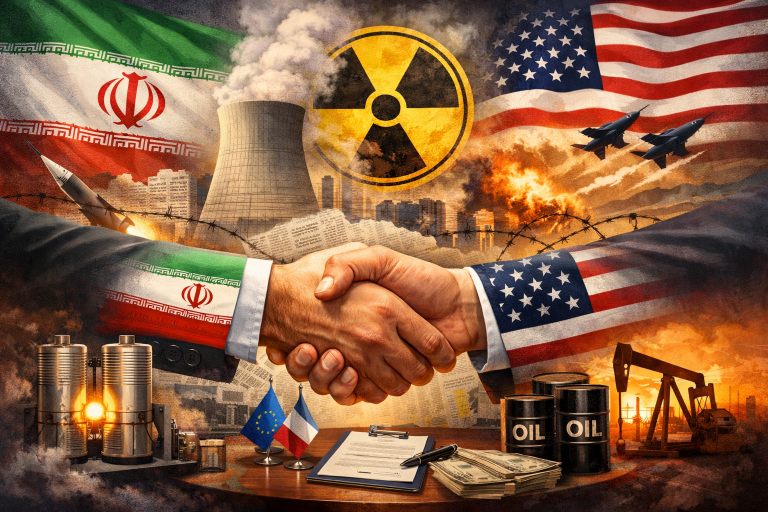
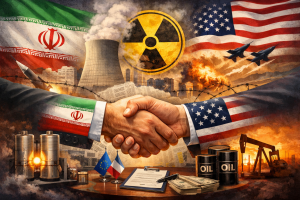
Iran has indicated it is prepared to consider an Iran nuclear deal compromise if the United States is willing to engage seriously on the removal of sanctions. The signal represents one of the clearest acknowledgments in recent months that Tehran sees diplomatic space opening, even after years of mistrust and economic pressure.
Senior Iranian officials have suggested that measures such as adjusting enrichment levels or managing existing uranium stockpiles could be discussed.
However, they underline that these steps must produce real economic dividends. Without visible relief, negotiators in Tehran would struggle to justify concessions domestically.
The renewed message comes as indirect contacts between both sides are expected to continue with mediation from regional intermediaries. Many observers believe leaders in both capitals want to avoid escalation while preserving national prestige.
Iran Nuclear Deal Compromise in Historical Context
To understand the present moment, it is necessary to revisit the collapse of the earlier diplomatic framework. The 2015 agreement once offered sanctions relief in exchange for limits and monitoring of Iran’s nuclear program.
When Washington withdrew in 2018, penalties returned and Iran gradually expanded its activities.
Since then, cycles of pressure and counter-pressure have defined relations. Each side accused the other of violating commitments, while regional tensions intensified.
Today’s conversation about an Iran nuclear deal compromise reflects recognition that maximum pressure alone did not deliver a stable outcome.
Diplomacy is again being tested because the alternatives appear increasingly risky.
Why Sanctions Relief Shapes the Iran Nuclear Deal Compromise
For Tehran, sanctions relief is not a secondary matter. It is the foundation of negotiations. Leaders argue that economic recovery, restored oil revenue, and reintegration into global finance are essential to demonstrate that diplomacy brings benefits.
Without these incentives, Iranian policymakers fear any agreement would look symbolic rather than transformative. This is why officials repeatedly frame flexibility on nuclear steps as conditional.
How Enrichment Limits Fit the Iranian Nuclear Deal
Iranian representatives have floated ideas that include dilution or conversion of highly enriched material and acceptance of certain technical restraints. Yet they continue to defend enrichment as a sovereign entitlement under international norms.
This position signals room for bargaining but also defines red lines. Diplomats will need creative formulas that reduce proliferation concerns while allowing Iran to maintain dignity at home.
Political Pressures Surrounding the Iran Nuclear Deal Compromise
Decision makers in Washington also face constraints. Allies demand strong safeguards, legislatures question concessions, and domestic debate often rewards toughness. Any arrangement must therefore convince multiple audiences that security will be enhanced, not weakened.
The path forward will likely be incremental, with carefully sequenced actions rather than sweeping gestures.
Iran Nuclear Deal Compromise and Regional Impact
A breakthrough could reshape strategic calculations across the Middle East. Reduced nuclear tension might lower the risk of preemptive strikes and open channels for broader regional dialogue. Gulf countries, European partners, and Asian energy consumers are watching closely.
At the same time, failure would deepen anxieties. Governments might invest more heavily in deterrence, expand military coordination, and prepare for uncertain scenarios.

Economic Incentives Behind the Iran Nuclear Deal Compromise
Energy markets are particularly sensitive. If sanctions ease, additional Iranian exports could influence global supply expectations. Investors would reassess transport corridors, insurance costs, and long term contracts.
Because of this, even preliminary diplomatic signals can affect market psychology.
The present rhetoric from Tehran appears pragmatic rather than ideological. Economic realities have created incentives to test diplomacy again. Meanwhile, the United States seeks to prevent further nuclear advancement without entering another conflict in the region.
Both sides therefore share an interest in stabilization, even if mistrust remains high. Success will depend on whether negotiators can convert shared caution into structured commitments.
Confidence Building Steps in an Iran Nuclear Deal Compromise
Small but verifiable actions could generate early momentum. These might include enhanced monitoring access, limited financial waivers, or humanitarian trade facilitation. Each measure would aim to prove that cooperation yields practical returns.
Building trust slowly may be more sustainable than attempting an immediate grand bargain.
Iran Nuclear Deal Compromise: Way Forward
The next rounds of diplomacy will reveal whether exploratory signals can evolve into formal negotiation tracks. Patience, coordination with allies, and disciplined messaging will be critical.
A workable formula would probably involve synchronized moves where nuclear limitations are matched by phased economic openings. Such reciprocity could help both governments defend the agreement politically.
Risks if the Iran Nuclear Deal Compromise Fails
If talks collapse, escalation dynamics may return quickly. Greater enrichment, tighter sanctions, covert activity, and military signaling could once again dominate headlines. The region would face renewed uncertainty with global repercussions.
Conclusion
Discussion of an Iran nuclear deal compromise has reopened diplomatic possibilities at a crucial time. While success is far from guaranteed, the willingness to explore mutual steps suggests leaders recognize the cost of confrontation.
Whether this moment becomes a turning point will depend on sustained engagement, realistic expectations, and the courage to transform cautious dialogue into durable arrangements.