
Gen Z Mental Health Crisis Family Trauma and Suicidal Ideation: Beyond the Age Gap
Introduction
The Gen Z mental health crisis family trauma and suicidal ideation debate is growing worldwide. Many people blame social media, academic pressure, or modern lifestyles. Yet a deeper issue often goes unnoticed. Family trauma, emotional neglect, and psychological abuse are major forces shaping young people’s emotional health.
Nearly half of young adults have received a mental health diagnosis. Suicide is now the third leading cause of death among this age group. These numbers show that the problem goes beyond generational trends. It is strongly connected to unresolved family struggles.
The Rising Mental Health Crisis Among Generation Z

Generation Z includes young people aged 10 to 25. Over the past decade, rates of anxiety, depression, trauma, and suicidal thoughts have increased sharply.
Around 42 percent of high school students report feeling persistent sadness or hopelessness. Many young adults aged 19 to 24 have also been diagnosed with mental health conditions. These statistics show a widespread crisis rather than isolated cases.
Gen Z Mental Health Crisis Family Trauma and Suicidal Ideation
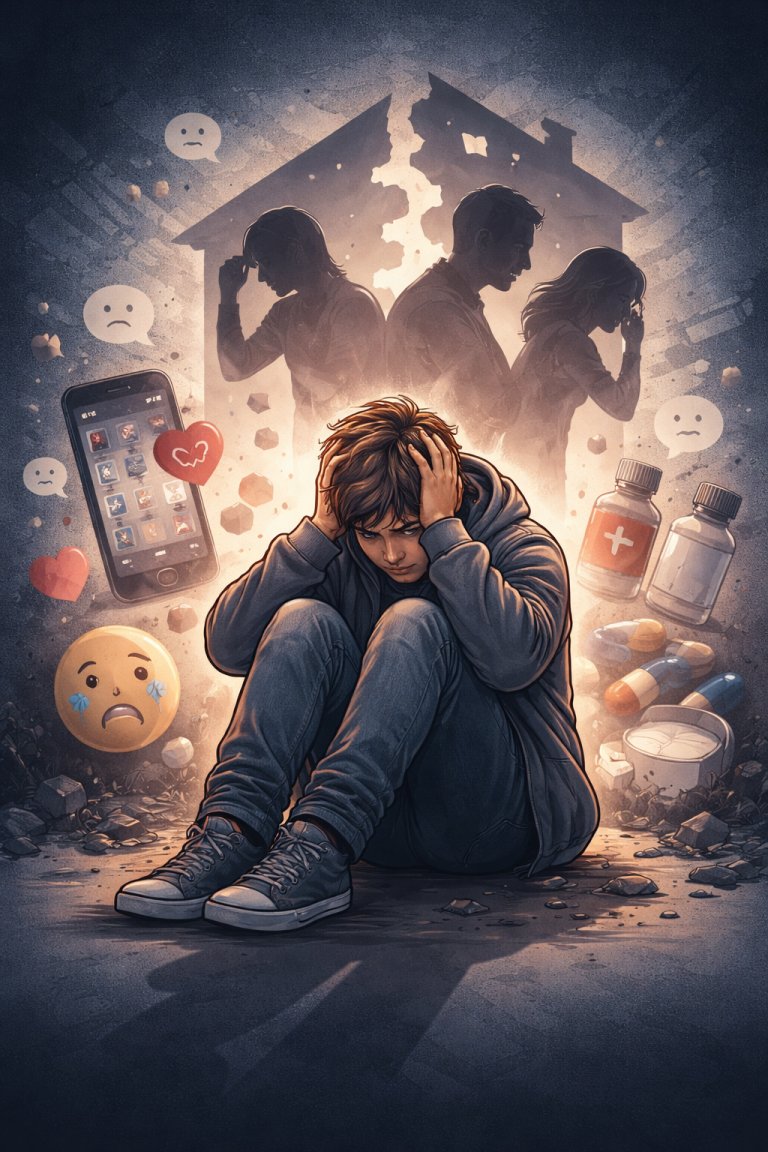
Family trauma is a hidden but powerful driver behind youth mental health struggles. Emotional neglect, psychological abuse, and unstable home environments can deeply affect emotional growth. These experiences shape how young people understand themselves and the world.
Trauma during childhood can disturb brain development and emotional regulation. It can lead to low self worth, difficulty trusting others, and higher risks of depression or self harm.
Studies also reveal that many adolescents in psychiatric care have faced at least one traumatic event. Most of these experiences occur within the family environment.
Long Term Effects of Childhood Trauma

Unresolved trauma often leads to unhealthy coping methods. Some young people withdraw emotionally. Others turn to substance use or self harm.
Research links childhood trauma directly with suicidal behavior and emotional dependency. Feelings of helplessness and hopelessness can continue into adulthood if support is not provided early.
Gender Differences in Youth Mental Health

Mental health challenges affect young people differently. Girls report higher levels of sadness and suicidal thoughts than boys. Social expectations, emotional stress, and relationship pressures may place greater emotional weight on young women.
Understanding these differences helps create more effective support systems.
Social Media and Digital Pressure

Social media has both positive and negative effects. Online communities allow young people to talk openly about therapy and mental health. This openness helps reduce stigma.
At the same time, heavy digital use exposes youth to unrealistic comparisons, negative news cycles, and cyberbullying. Young people who already face family trauma may feel even more emotional pressure online.
High Risk Groups Facing Greater Challenges

Some groups experience higher mental health risks:
LGBTQIA+ youth often face discrimination and family rejection.
Black and Indigenous youth experience higher suicide attempt rates due to systemic inequality.
Female students report higher levels of depression and emotional distress.
These realities highlight the need for culturally aware and targeted mental health support.
Prevention and Trauma Informed Support

Strong prevention strategies are essential. Family therapy and structured suicide prevention programs can reduce emotional risk when introduced early.
Schools and community centers can help identify struggling youth and connect them with mental health services. Training teachers and counselors to recognize trauma signs is also important.
Without stronger support systems, many young people remain unseen and unsupported.
Signs of Progress and Hope

Gen Z is leading a positive cultural shift toward mental health openness. Therapy is becoming more accepted and viewed as self care rather than weakness.
Holistic mental health approaches that consider family history, culture, and social context are showing strong results. Early support can help young people transform trauma into resilience and growth.
Conclusion
The Gen Z mental health crisis family trauma and suicidal ideation discussion must focus on deeper causes rather than blaming young people alone. Family struggles often sit at the heart of emotional pain.
Families, educators, healthcare professionals, and policymakers must work together. Investing in trauma informed care, accessible counseling, and early intervention can help young people build healthier futures.
By addressing root causes, society can help the next generation move from survival toward genuine well being and strength.
This article is written by Ms. Syeda Muqaddas who is a student of International Relations at NUML, Islamabad.
Source: https://www.who.int/