
Ethiopia Eritrea Conflict: Addis Ababa Accuses Asmara of Military Aggression and Backing Armed Groups
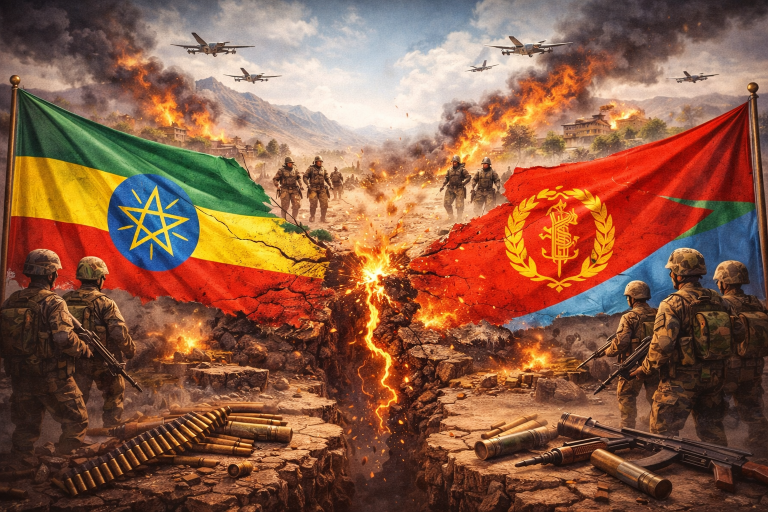
On February 7, 2026, Ethiopia’s foreign minister formally accused neighboring Eritrea of military aggression and of backing armed groups inside Ethiopia’s territory, marking a serious escalation in the Ethiopia Eritrea conflict.
The allegations were conveyed in a letter from Ethiopia’s Foreign Minister Gedion Timothewos to his Eritrean counterpart, and the dispute underscores rising tensions between the two countries that once fought bitter wars and later signed a peace agreement.
Background
Ethiopia and Eritrea have a long, complex history of hostility and cooperation. After Eritrea gained independence from Ethiopia in 1993, the two nations engaged in a brutal border war from 1998 to 2000, resulting in tens of thousands of casualties.
A temporary peace deal signed in 2018 ended decades of mistrust and even saw Eritrean forces later support Ethiopia’s federal army during the northern Tigray conflict (2020–2022).
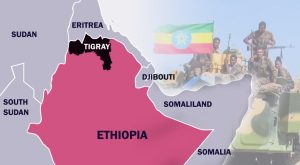
However, Eritrea was excluded from the 2022 peace agreement that formally concluded the Tigray War, and relations between Asmara and Addis Ababa have deteriorated since. Recent diplomatic and military tensions now risk reigniting broader conflict in the Horn of Africa.
Ethiopia Accuses Eritrea of Military Action and Rebel Support
Territorial Incursions and Material Support
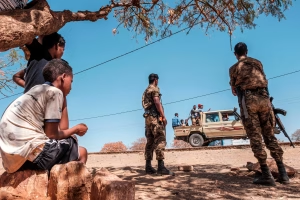
In the letter seen by Reuters, Ethiopia’s foreign minister stated that Eritrean forces have occupied parts of Ethiopian territory along the shared border, and alleged that Asmara has provided material assistance to rebel groups operating inside Ethiopia.
Ethiopian officials described the incursions and support as more than mere provocation labelling them “acts of outright aggression.”
The letter called for the immediate withdrawal of Eritrean forces and an end to support for armed groups. Ethiopian government sources also pointed to joint military maneuvers near the northwestern frontier as further signs of escalating tensions.
Eritrea’s Response to the Allegations
Eritrea has not officially commented on the most recent letter, but past responses to similar accusations have been dismissive. In previous disputes, Eritrean representatives described Ethiopian claims as provocative sabre-rattling and rejected allegations of collusion with opposition forces, including the Tigray People’s Liberation Front (TPLF), which Addis Ababa has accused of working with Eritrea to destabilise Ethiopia.
Geopolitical and Regional Implications of the Ethiopia Eritrea Conflict
Security Concerns in the Horn of Africa
The renewed allegations emerge amid broader fears that the Ethiopia Eritrea conflict could destabilize the already fragile security environment in the region.
Analysts warn that without diplomatic engagement, the situation could escalate into open confrontation, drawing in other insurgent groups and amplifying humanitarian challenges in northern Ethiopia.
Strategic Issues and Red Sea Access
One longstanding point of contention stems from Ethiopia’s push for access to the Red Sea, a major strategic and economic concern for the landlocked nation.
Ethiopia lost its direct coastline after Eritrea’s independence and has periodically called for expanded port access, which Asmara views as a potential threat. This has exacerbated mistrust and made bilateral negotiations more difficult.
Despite the accusations, Ethiopian officials have expressed willingness to pursue good-faith negotiations with Eritrea if the latter respects Ethiopia’s territorial sovereignty and stops supporting armed groups.
What’s Next in the Conflict
As diplomatic tensions rise, the international community including regional bodies and the United Nations may be called upon to mediate between the two neighbors to prevent an escalation of hostilities.
Ethiopia’s letter to Eritrea, delivered through official diplomatic channels, signals a shift toward formal international pressure and might prompt wider engagement from global actors concerned with peace and security in the Horn of Africa.
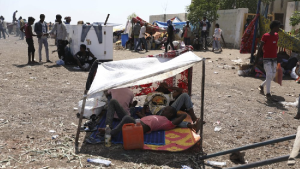
The ongoing Ethiopia Eritrea conflict will continue to shape political and security dynamics across East Africa as both countries navigate a potential diplomatic or military showdown.
Conclusion:
The latest accusations in the Ethiopia Eritrea conflict highlight a serious breakdown in relations between Addis Ababa and Asmara. With mutual distrust, territorial disputes, and support for armed groups at the center of the standoff, the risk of renewed conflict remains high. The coming weeks and diplomatic interactions will be crucial in determining whether tensions escalate or whether peaceful resolution remains possible.