
Climate Equals Health How the Climate Crisis is Reshaping Global Wellbeing
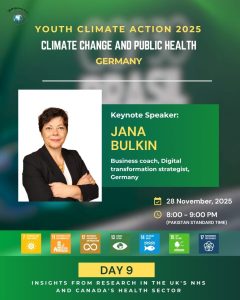
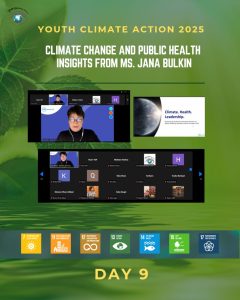
Climate change is not just an environmental threat. It is one of the biggest public health emergencies of our generation. As highlighted by Jana Bulkin the message is simple yet transformative.
Climate equals health. Every shift in our climate system whether heat storms pollution or rising seas has a direct impact on human health safety and long term wellbeing.
This blog explores how climate change affects health who suffers the most and how education leadership and youth action can shape a healthier and more resilient future.
Climate Change as a Public Health Crisis
Climate and health are deeply connected. Rising temperatures extreme weather events pollution and ecosystem changes are influencing disease patterns mental wellness and the stability of health systems. Climate is now a defining factor behind global health outcomes especially in vulnerable regions.
Major Health Impacts of Climate Change
Heatwaves and Extreme Temperatures
Heatwaves are becoming more frequent and intense leading to:
Severe heat stress
Dehydration
Cardiovascular complications
Higher mortality rates
Children elderly people outdoor workers and patients with chronic illness face the greatest risk.
Floods Storms and Disasters
Extreme weather events lead to:
Injuries and trauma
Contaminated water and disease outbreaks
Displacement and long term mental stress
Breakdown of local health services
Air Pollution
Air pollution is one of the deadliest consequences of climate change. Increasing emissions and poor urban planning contribute to:
Asthma
COPD
Heart disease
Premature deaths
Shifting Disease Patterns
Warmer temperatures and altered rainfall fuel the spread of vector borne diseases such as:
Malaria
Dengue
Chikungunya
Zika
Mental Health Impacts
Climate induced stress is increasing:
Anxiety
Depression
PTSD
Climate grief
When livelihoods homes and ecosystems are threatened psychological suffering follows.
Climate Justice Who Suffers the Most
Jana highlighted that those least responsible for emissions suffer the greatest consequences.
Low Income Communities
Limited access to healthcare poor infrastructure and higher exposure to climate hazards increase their vulnerability.
Indigenous Peoples
Their cultural identity and survival are tied to ecosystems now under threat.
Small Island Nations
Rising sea levels salinized water and devastating storms can easily overwhelm health systems.
Climate justice is ultimately health justice.
SDGs A Shared Agenda for Health and Climate
Climate and health action directly relate to the Sustainable Development Goals especially:
SDG 3 Good Health and Wellbeing
SDG 4 Quality Education
SDG 11 Sustainable Cities
SDG 13 Climate Action
SDG 17 Partnerships
These goals work together as one framework for resilient societies.
How Education Strengthens Health and Climate Resilience
Education builds communities that can:
Recognize climate related health risks
Prepare for disasters
Reduce disease spread
Make informed decisions
Support national resilience
Climate and health literacy save lives.
Leadership and the Inner Development Goals
Achieving climate and health goals requires inner transformation. Effective leaders must have:
Self awareness
Integrity
Critical thinking
Strong values lead to strong solutions.
The Role of Youth The Generation in Power
Young people are shaping climate and health action by offering:
Lived experience
Innovation
Diplomatic influence
Youth are not spectators. They are decision makers.
The Mindset Shift We Need
Real progress requires three core mindset changes:
Investment not cost
Climate and health funding protects future generations.
Prevention not reaction
Early action saves lives and prevents disasters.
Systems not silos
Health environment education and infrastructure must collaborate.
Turning Insight Into Action
Jana concluded with three clear action steps:
Protect the Climate
Cleaner environments and reduced emissions safeguard human health.
Invest in Education
Education strengthens communities and builds resilience.
Develop as Leaders
Transform yourself to transform the world.
Final Reflection A Call to Possibility
Instead of asking Is it too late
We must ask
What are the possibilities
Your leadership and your choices matter.
The future of global health depends on action taken today.