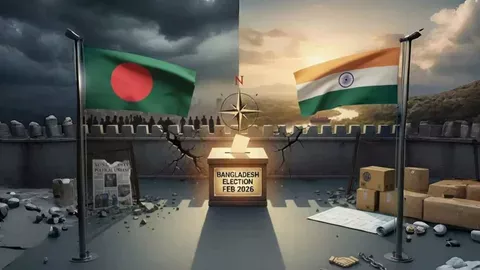

Bangladesh Election 2026 Signals Public Demand for Reform
The Bangladesh election 2026 has become a turning point for a nation eager to move past years of political turmoil and corruption. After voting on February 12, citizens across the country expressed hope that the new leadership would deliver a transparent and accountable system.
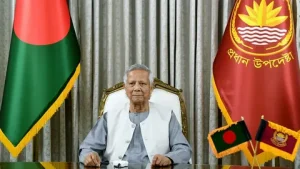
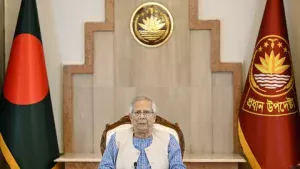
The election followed the dramatic fall of former Prime Minister Sheikh Hasina in 2024 and was overseen by an interim administration led by Nobel laureate Muhammad Yunus.
Dhaka remained quiet a day after polling as many residents returned from their hometowns. On the campus of University Of Dhaka, students spoke about feeling hopeful.
Many first time voters described the process as fair and orderly. For them, the Bangladesh election 2026 was not just about choosing a government, it was about reclaiming trust in the political system.
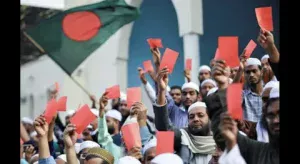
Bangladesh Election 2026 Delivers Landslide Victory
The Bangladesh Nationalist Party secured a commanding majority, winning 212 seats. Party leader Tarique Rahman is now poised to become prime minister.
Supporters celebrated what they called a clear mandate after years in opposition. Rahman had expressed confidence before the vote, saying the party was ready to form a government independently.
At the same time, the country voted in favor of constitutional reforms. Sixty percent of voters supported changes that include term limits for the prime minister, stronger presidential powers, judicial independence, and the creation of a new upper house of parliament. These reforms are seen as safeguards against a return to one party dominance.
Allegations of Irregularities Shadow Bangladesh Election 2026
Despite the overall festive mood, controversy followed the results. Jamaat-e-Islami, led by Shafiqur Rahman, alleged serious problems in vote counting. The party demanded action from the Election Commission and questioned the integrity of the tallying process.
Jamaat had formed an alliance with several centrist and liberal groups to present a moderate platform. However, it secured only 77 seats.
While the party did not clearly concede defeat, its leadership signaled that it would seek legal remedies. Reports of attacks on alliance supporters have also raised concerns about post election tensions.
Voter Turnout and Participation Debate
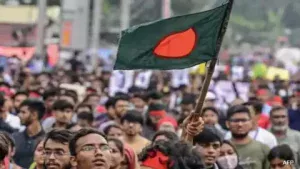
Official figures show voter turnout at 59.44 percent, considered strong compared to previous elections. Still, analysts argue the Bangladesh election 2026 was not fully participatory.
The Awami League, once led by Sheikh Hasina, was barred from taking part pending legal proceedings. Critics say excluding one of the country’s largest parties leaves open questions about the true level of public support.
Political observers note that allowing all major parties to compete could have provided a clearer picture of the nation’s political direction. Even so, the election revealed shifting dynamics, with Islamist and centrist forces testing their influence in a new political era.
Hopes for an Inclusive and Corruption Free Bangladesh
For many voters, the deeper issue goes beyond party politics. They want security, equal rights, and an end to corruption. Citizens have called for policies that protect women’s rights, religious minorities, and people with disabilities.
The uprising that led to Sheikh Hasina’s removal was rooted in demands for fairness and human dignity.
Now, expectations are high. The new government faces pressure to prove that the Bangladesh election 2026 truly marks a break from the past.
If reforms are implemented and corruption tackled firmly, this vote may be remembered as the moment Bangladesh chose a more inclusive path.