
Norway Russia invasion risk: Arctic tensions and nuclear security concerns
Introduction to Norway Russia invasion risk
The Norway Russia invasion risk has entered public debate after Norway’s chief of defence, General Eirik Kristoffersen, warned that Oslo cannot rule out a future Russian move in the far north. His concern is not about conquering Norwegian land in the traditional sense.
Instead, he believes Russia could try to secure its nuclear assets on the nearby Kola Peninsula if tensions with NATO grow. These assets include nuclear submarines, missile systems and aircraft that form a key part of Russia’s strategic power.
While he stressed that this is only one scenario, Norway’s military planners are taking it seriously because of the region’s strategic value and proximity to NATO borders.
Strategic context behind Norway Russia invasion risk
The Arctic has become more sensitive since Russia’s invasion of Ukraine reshaped Europe’s security environment. Finland and Sweden joining NATO changed the balance in northern Europe, bringing more allied forces close to Russian territory.
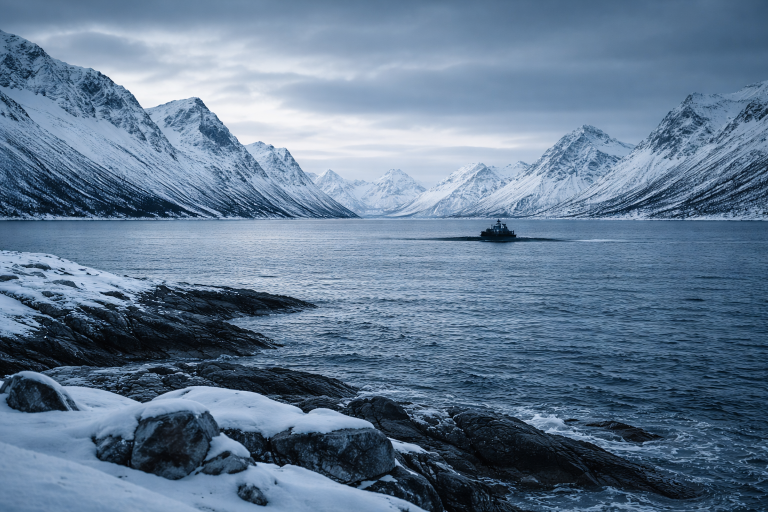
Norway now finds itself at the centre of a shifting defence landscape. The Kola Peninsula, just across the border, hosts a large share of Russia’s nuclear capabilities, including second strike systems that allow retaliation even after an attack. Protecting these assets would be a priority for Moscow in any wider conflict.
Kristoffersen noted that Russia does not show the same expansion goals toward Norway as seen in Ukraine, but military planners must prepare for different scenarios, including hybrid tactics, sabotage or limited military actions.
Military cooperation and communication in the High North
Despite rising tension and the ongoing Norway Russia invasion risk, the two countries still maintain practical cooperation in some areas. Search and rescue operations in the Barents Sea continue, and local military officials hold meetings to prevent misunderstandings along the border.
Kristoffersen even proposed a direct military hotline between capitals to reduce the chance of escalation caused by miscommunication. He pointed out that airspace violations in the region often result from technical issues like GPS jamming rather than deliberate aggression.
Norwegian officials say that when incidents occur, Russian counterparts usually respond in a predictable and professional manner. This ongoing contact shows that even in tense times, communication remains a vital safety tool.
Political tensions and NATO relations
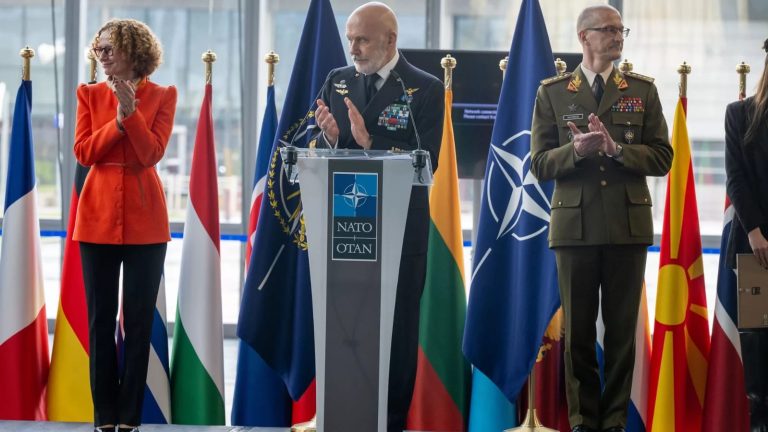
The debate around Arctic security has also included strong political views from global leaders. Kristoffersen criticised claims that NATO allies did not serve on frontlines in Afghanistan, pointing out that Norwegian soldiers fought in combat missions and suffered casualties.
He also rejected suggestions that China or Russia have military plans for Greenland, calling such statements strange and unsupported by intelligence. European leaders like France’s President Emmanuel Macron have warned that the Arctic could become a new arena for geopolitical rivalry.
The Norway Russia invasion risk is therefore part of a larger conversation about how Europe balances cooperation with deterrence while dealing with unpredictable political rhetoric.
Analysis of Norway Russia invasion risk and regional stability
From an analytical point of view, Norway’s warning reflects a cautious defence mindset rather than an immediate threat. Military leaders often plan for worst case scenarios so forces remain ready for unexpected developments.
Russia’s heavy investment in nuclear systems on the Kola Peninsula makes the region strategically sensitive. Any conflict involving NATO could bring pressure to secure those assets, even if that means limited military moves near Norwegian territory.
At the same time, Norway’s assessment that Russia respects certain treaties, such as the demilitarised status of Svalbard, suggests that Moscow still follows some established norms in the Arctic. The risk exists, but it sits alongside ongoing cooperation and stable communication channels.
Recommendations for managing Norway Russia invasion risk
Managing the Norway Russia invasion risk requires a balanced approach. Norway and its NATO partners need strong defence capabilities in the north, including surveillance, rapid response units and cyber defence.
At the same time, keeping open lines of communication with Russian forces helps prevent accidents or misjudgments. Joint exercises among NATO members can build readiness without escalating tensions if handled carefully.
Clear public messaging also matters because exaggerated claims can fuel fear and weaken trust between allies and local communities.
Way forward for Arctic security and cooperation
Looking ahead, the Arctic will likely remain a region where competition and cooperation exist side by side. Climate change is opening new shipping routes and economic opportunities, increasing interest from major powers.
Norway’s strategy appears to focus on deterrence paired with dialogue, aiming to reduce the chance that misunderstandings turn into conflict. Strengthening international agreements and maintaining transparency about military activities could help stabilise the region.
The Norway Russia invasion risk may never disappear completely, but careful diplomacy, clear communication and strong defence planning can lower the chances of escalation.