
Portugal Far Right Chega Presidential Election Results Analysis and Future Political Outlook
The Portugal far right Chega presidential election results analysis and future political outlook has become a major topic after the country’s latest presidential vote showed both growth and limits for the far right.
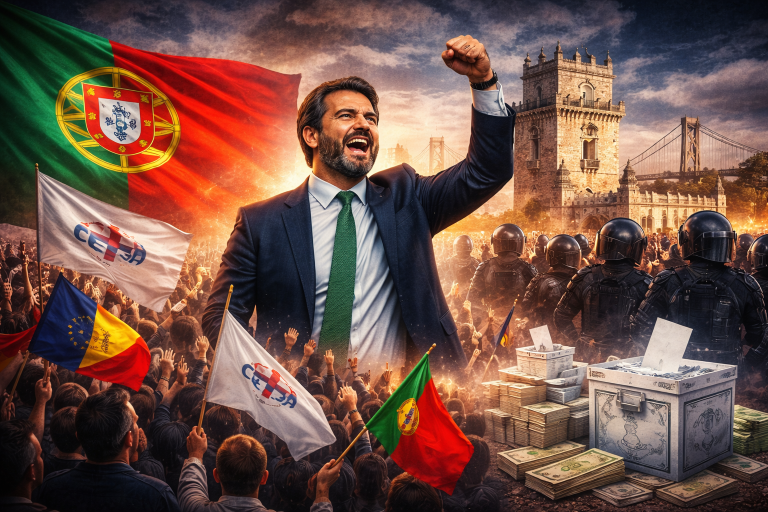
Moderate Socialist candidate Antonio Jose Seguro won a decisive victory, while Chega leader Andre Ventura secured about one third of the vote. The result shows a divided political landscape where traditional parties still hold strong influence, yet anti establishment forces continue to gain attention across Europe.
Election Results and Political Context
Portugal’s presidential election delivered a clear win for Seguro, who received close to two thirds of the vote in the final round. Many conservative voters supported him to block Ventura’s rise, an unusual alliance that reflects wider concerns about the far right.
Ventura still increased his support compared to earlier rounds and previous elections, showing that Chega has built a strong base in a relatively short time. The party, founded only seven years ago, now holds a major position in parliament and continues to shape political debates.
Rise of Chega and Shifting Voter Trends
Chega’s growth reflects wider European trends where anti immigration and anti establishment messages resonate with parts of the electorate. Ventura’s campaign focused on corruption, immigration, and dissatisfaction with mainstream politics.
His increased vote share suggests that many voters are becoming more open about supporting far right movements. At the same time, analysts argue that Chega may have reached a ceiling around one third of voters, which could limit its chances of achieving full national power.
Political Alliances and Centrist Response
The election also showed how centrist and mainstream forces can unite when faced with a strong challenger. Prominent conservative figures backing a Socialist candidate is rare in European politics, yet it happened in this election.
This suggests that future political coalitions may focus more on stability than ideology. Analysts believe a centrist alliance could continue to block Chega from forming a government even if the party grows in parliamentary strength.
Public Reaction and Social Debate
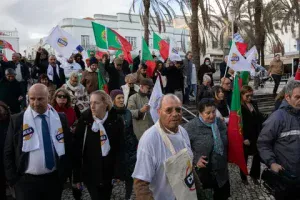
Public opinion in Portugal remains divided. Some voters feel reassured that the far right did not gain a majority, viewing the election as a sign that moderate politics still dominate. Others are concerned about how quickly Chega has grown since its creation.
Younger voters in particular express worry that rising support for far right movements reflects deeper social and economic frustrations. These mixed reactions highlight a country still negotiating its political identity.

Analysis
The election results suggest that Chega’s influence is expanding but may be stabilizing rather than accelerating rapidly. Ventura’s gains show strong messaging and voter loyalty, yet his inability to attract most centre right voters limits broader appeal.
The success of cross party cooperation against him demonstrates that Portuguese politics still favors compromise. However, long term trends such as economic pressure, migration debates, and distrust in traditional parties could continue to shape future elections.
Recommendations
Portugal’s political leaders should address the concerns driving voter frustration, including economic inequality and trust in institutions. Transparent governance and open dialogue could reduce the appeal of protest politics.
Mainstream parties need to engage younger voters and communities that feel disconnected from the political process. Media and civil society should encourage informed discussions rather than polarizing narratives, helping voters make decisions based on policy rather than fear.
Way Forward
Looking ahead, the next parliamentary elections will be critical for determining whether Chega’s support remains stable or grows further. Centrist cooperation may continue to play a strong role in shaping government formation.
Portugal’s democracy appears resilient, yet it faces challenges common across Europe. Sustained dialogue, inclusive policies, and responsible leadership will be essential to maintain political balance and prevent deep polarization. The election has shown that while the far right has a strong presence, the broader electorate still values unity and moderation.