
Iran Signals Willingness to Dilute Enriched Uranium if Sanctions Are Lifted, Analysis and Future Outlook
Introduction
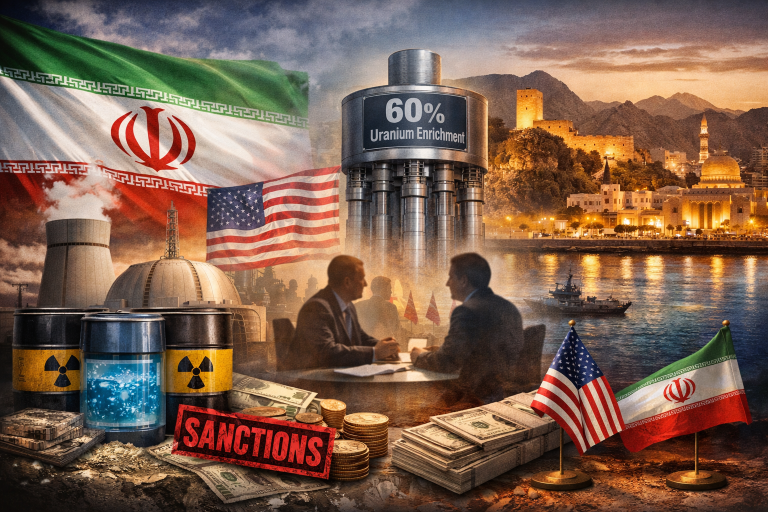
Iran’s recent statement that it could dilute its most highly enriched uranium in exchange for full sanctions relief has drawn global attention. The announcement comes during renewed diplomatic engagement between Tehran and Washington through Omani mediation.
At a time when regional tensions remain high and memories of military confrontations are still fresh, this development could represent either a turning point for diplomacy or another complex phase in long running negotiations over Iran’s nuclear program.
Background of the Nuclear Dispute
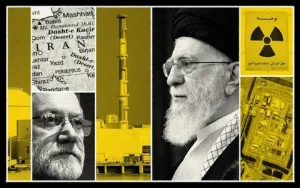
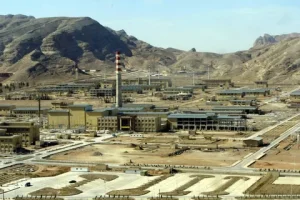
The nuclear standoff between Iran and Western powers has continued for years, driven by concerns that Tehran’s uranium enrichment could be used for weapons development. Iran maintains that its nuclear activities are purely for peaceful energy and research purposes.
The United States and its allies argue that high enrichment levels bring Iran dangerously close to weapons grade capability. Past agreements have struggled due to disagreements over sanctions, inspections, and Iran’s right to continue enrichment activities.

Recent Diplomatic Talks in Oman
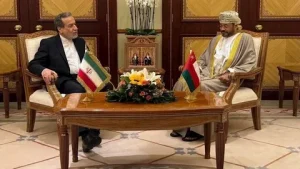
U.S. and Iranian diplomats recently met indirectly through Omani mediators in an attempt to revive negotiations. The discussions followed a period of rising tensions that included military deployments and threats of further action.
The involvement of Oman reflects ongoing efforts by regional actors to prevent escalation and encourage dialogue. Although no final agreement has been reached, both sides have shown cautious willingness to explore compromise.
Iran’s Position on Uranium Dilution
Iran’s atomic chief suggested that Tehran could dilute uranium enriched to 60 percent purity if all financial sanctions are lifted. This proposal indicates a readiness to make technical concessions while demanding significant economic benefits.
Iranian officials have emphasized that sending uranium abroad was not discussed and have reiterated their insistence on maintaining nuclear rights, including domestic enrichment.
U.S. Demands and Strategic Concerns
Washington has demanded that Iran reduce or eliminate its highly enriched uranium stockpile, which international agencies previously estimated at more than 440 kilograms. The United States also wants Iran’s missile program included in broader negotiations, a condition Tehran has rejected.
American officials argue that a comprehensive approach is necessary to address regional security risks, while Iran views such demands as excessive and beyond the nuclear issue.
Regional and Political Context
The talks come amid significant political pressure on both sides. Domestic unrest in Iran and previous military actions targeting nuclear facilities have created a tense environment.
Regional allies closely monitor negotiations, concerned about the balance between diplomatic compromise and security guarantees. Political leaders in both countries face internal challenges that may limit their negotiating flexibility.
Analysis
Iran’s offer to dilute enriched uranium reflects both diplomatic opportunity and strategic positioning. By tying concessions to full sanctions relief, Tehran aims to secure economic gains while maintaining key elements of its nuclear infrastructure.
For the United States, reducing enrichment levels could slow potential weapons development and lower immediate threats. However, long standing mistrust, political rivalries, and differing strategic priorities continue to complicate negotiations. Any agreement will require careful verification measures and sustained diplomatic engagement.
Recommendations
To move forward, both sides need to focus on realistic compromises. A phased approach linking sanctions relief to verified nuclear reductions could build confidence gradually. Increased transparency and cooperation with international inspectors would help reassure the global community about Iran’s intentions.
Mediators and international organizations should remain actively involved to keep communication channels open and prevent misunderstandings. Engaging regional stakeholders may also reduce fears of hidden agreements or uneven security outcomes.
Way Forward
Future negotiations will likely depend on whether both sides can balance domestic pressures with the broader need for regional stability. Incremental agreements may offer a practical path forward, allowing small successes to build trust over time. Continued diplomatic engagement through neutral mediators can help prevent escalation during periods of tension.
Transparent verification systems and consistent dialogue could gradually rebuild confidence. While challenges remain significant, sustained negotiation efforts may help reduce nuclear risks and create conditions for a more stable Middle East.
Conclusion
Iran’s signal that it may dilute enriched uranium in return for sanctions relief represents a potentially important moment in nuclear diplomacy.
Whether this leads to meaningful progress or renewed deadlock will depend on the willingness of all parties to compromise and maintain open communication.
The outcome will have far reaching implications not only for Iran and the United States but also for regional stability and global non proliferation efforts.