

Mark Rutte Warns EU: Europe Cannot Defend Itself Without US Security Support
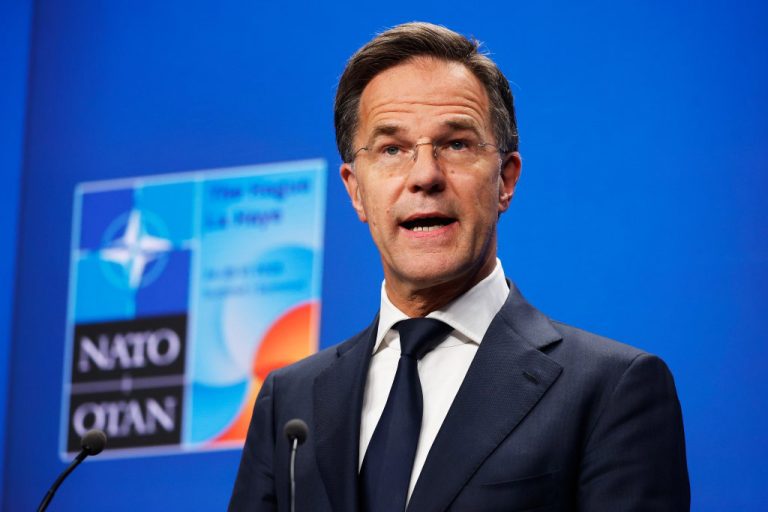
NATO Secretary General Mark Rutte delivered a stark and unusually blunt message to Members of the European Parliament this week: Europe is fundamentally dependent on the United States for its security and any belief otherwise is an illusion.
Speaking before the Parliament’s committees on Security and Defense and Foreign Affairs, Rutte dismissed the idea that the European Union could defend itself independently from Washington, particularly in the face of nuclear threats.
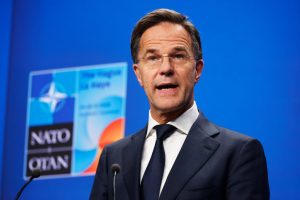
“If anyone here thinks that the European Union can defend itself without the US, keep on dreaming. You can’t,” Rutte said.
Europe’s Reliance on the US Nuclear Umbrella
At the heart of Rutte’s argument lies nuclear deterrence the cornerstone of NATO’s security architecture.
While some EU leaders have increasingly promoted “strategic autonomy,” Rutte warned that Europe lacks the nuclear capabilities, command systems, and global intelligence infrastructure required to replace the United States. Today, only France maintains an independent nuclear deterrent within the EU, while the UK another nuclear power is no longer a member.
According to Rutte, abandoning US protection would force European countries to undertake an extraordinary and politically explosive effort:
-
Massive expansion of nuclear arsenals
-
Creation of independent command-and-control systems
-
Long-term investment in submarines, bombers, and missile defenses
-
Sustained defense spending approaching 10% of GDP
“In that scenario,” Rutte said, “you would lose the ultimate guarantor of our freedom, which is the US nuclear umbrella. So, good luck.”
Strategic Autonomy vs. Strategic Reality
Rutte’s remarks directly challenge the EU’s growing rhetoric around strategic autonomy. While European coordination in defense procurement and conventional forces is increasing, he argued that true military independence from the US remains decades away if achievable at all.
Even with higher defense spending and better integration, Europe would still lack:
-
A nuclear deterrent on par with the US
-
Global intelligence reach
-
Rapid power projection capabilities
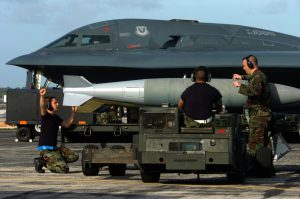
For Rutte, this makes the transatlantic alliance not a political preference, but a structural necessity.
A Deliberately Confrontational Message
The tone of Rutte’s comments stood out as much as their substance. His warning capped with the dismissive “good luck” reflected growing frustration within NATO leadership over what they see as European complacency and unrealistic expectations.
Coming amid concerns over US political uncertainty and debates about Europe’s future defense posture, Rutte’s message was clear: criticizing Washington is one thing, but assuming Europe can replace US security guarantees is another entirely.
Conclusion
Mark Rutte’s intervention stripped away diplomatic language to deliver a hard-power reality check. In his view, NATO without the United States is no longer NATO, and European security without American support would be dangerously exposed.
Whether European leaders accept this assessment or continue to push for greater autonomy, Rutte has made one thing unmistakably clear: for now, Europe’s security still runs through Washington.






2 Responses