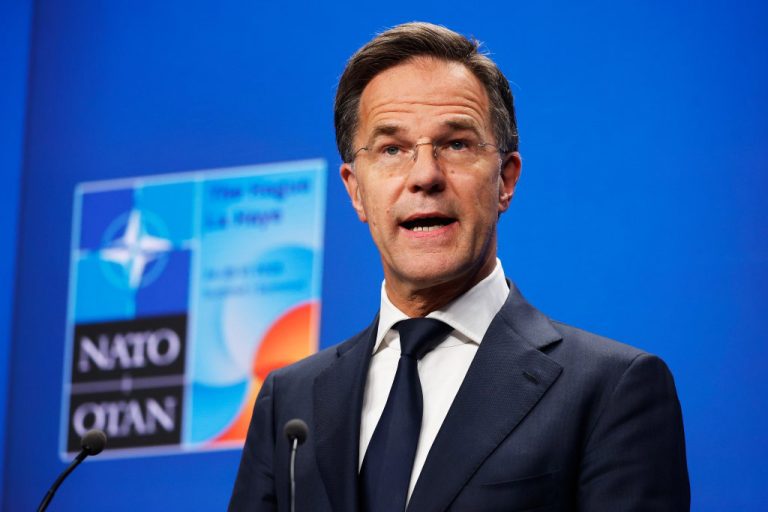

Pentagon Prepares 1,500 Alaska Soldiers for Possible Minnesota Deployment
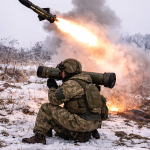
The Pentagon deployment to Minnesota has moved closer to reality after defense officials confirmed that around 1,500 active duty US Army soldiers have been placed on prepare to deploy orders. The troops are based in Alaska and belong to the Army’s 11th Airborne Division, a unit trained for harsh and cold environments.
Officials stress that no final decision has been made. For now, the move is described as precautionary planning as unrest linked to immigration enforcement continues in Minnesota.
Why the Pentagon Is Preparing Troops for Minnesota
According to senior defense officials, the Army issued the orders late Saturday following President Donald Trump’s threat to invoke the Insurrection Act. The law allows the president to deploy active duty troops inside the United States if state authorities cannot control unrest.
The soldiers come from two infantry battalions stationed in Alaska. Their readiness status means they could deploy quickly if the White House issues formal orders.
Pentagon officials said the move is routine contingency planning and not confirmation that troops will be sent. A White House statement echoed that view, saying the Department of Defense must always be ready for presidential decisions.
Trump and the Insurrection Act Explained
The Insurrection Act of 1807 gives the president broad authority to use military forces during rebellion or widespread violence. It is rarely used and considered a last option.
The last time a president invoked the act was in 1992, when George H.W. Bush deployed troops during the Los Angeles riots.
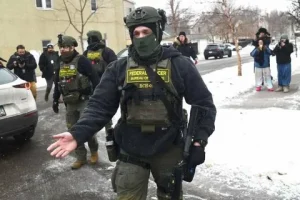
President Trump threatened to use the law after protests in Minnesota turned tense during Immigration and Customs Enforcement operations. On social media, he warned that attacks on ICE agents would trigger federal military action.
A day later, Trump softened his tone, saying there was no need to invoke the act “right now,” but added that he would use it if necessary.
Minnesota Leaders Push Back Against Federal Action
Minnesota officials strongly oppose the possible deployment of active duty troops in Minnesota.
Minneapolis Mayor Jacob Frey said the presence of federal forces appears designed to provoke protesters rather than calm the situation. Speaking on national television, he said the city would not give the federal government an excuse to escalate.
Governor Tim Walz also criticized the move. While he activated the Minnesota National Guard to support local authorities, he has not deployed them. Walz and Frey have urged protesters to remain peaceful.
State leaders argue that law enforcement on the ground is capable of handling the situation without federal military involvement.
DOJ Investigation Raises Tensions Further
The Trump administration has increased pressure on Minnesota’s Democratic leadership. The Justice Department has opened an investigation into whether Governor Walz and Mayor Frey interfered with federal immigration enforcement.
Both leaders deny the claim and say the investigation is an attempt to silence political opposition. Frey said his office had not yet received a subpoena and called the probe deeply concerning.
Minnesota Attorney General Keith Ellison described recent federal actions as a constitutional violation and said the state is seeking a restraining order.
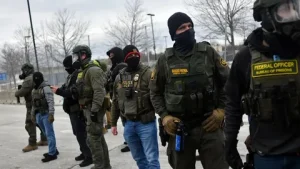
ICE Operations and Protests in Minnesota
Minnesota has been under heavy federal focus since December, when the Department of Homeland Security launched Operation Metro Surge. The operation led to hundreds of arrests and repeated confrontations between ICE agents and protesters.
The situation escalated this month after ICE agents shot two people during enforcement actions. One of them, Renée Good, was an American citizen who was killed. Another individual, a Venezuelan migrant, was wounded.
These incidents intensified protests and fueled accusations that the federal government is using force to intimidate communities.
Comparisons to Past Military Deployments Under Trump
This is not the first time President Trump has used or threatened domestic military deployments.
Earlier, he federalized the California National Guard despite objections from Governor Gavin Newsom. Thousands of Guard members and active duty Marines were deployed to Los Angeles after protests against ICE turned violent.
Some of those deployments faced legal challenges, especially over the Posse Comitatus Act, which limits the military’s role in civilian law enforcement.
In one key Supreme Court ruling, the administration failed to show how troops could legally execute federal law in certain states.
What Happens Next
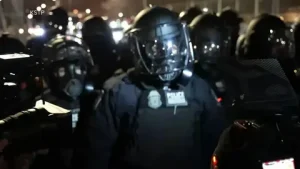
At this stage, the Pentagon Minnesota deployment remains uncertain. The soldiers in Alaska are not moving unless ordered. Defense officials say the situation will be reassessed based on conditions on the ground and decisions from the White House.
State leaders continue to call for calm and insist that local authorities can maintain order without federal troops.
Whether the Insurrection Act is invoked will likely depend on how protests unfold in the coming days. For now, the situation highlights growing tension between state governments and federal power over immigration enforcement and civil unrest.