
Trump’s Rising Threat Against Iran: Will Diplomacy Prevent Military Action?
Understanding Trump’s Unpredictable Foreign Policy Approach
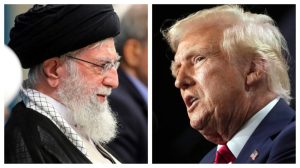
US President Donald Trump has built a reputation for unexpected foreign policy decisions that blend aggressive rhetoric with sudden diplomatic pivots. As tensions with Iran escalate once again in 2025, analysts worldwide are questioning whether his latest threats represent genuine military intent or strategic posturing.
Recent developments show Trump alternating between supporting Iranian protesters with promises of assistance and then quickly adopting conciliatory language. This pattern raises a critical question: Does his diplomatic tone signal genuine peace efforts, or is it a tactical maneuver before potential military intervention?
Historical Precedents: When Trump’s Diplomacy Preceded Military Action
The Venezuela Incident: Diplomacy Shattered Overnight
Trump’s approach to Venezuela provides crucial context for understanding his current Iran strategy. In a stunning sequence of events:
Initial Military Pressure: The United States deployed its largest Caribbean naval presence in decades, citing concerns about drug trafficking from Venezuela.
Diplomatic Outreach: Trump conducted a confidential phone conversation with Venezuelan President Nicolás Maduro. The Venezuelan leader characterized the discussion as productive, even suggesting cooperation on narcotics enforcement and petroleum trade.
Shocking Reversal: Within hours of this apparently cordial exchange, US operatives detained Maduro and his spouse on drug related accusations.
This incident demonstrated that surface-level diplomatic engagement under Trump’s administration doesn’t necessarily prevent sudden escalatory actions.
Iran’s Previous Experience: Attack Following Negotiation Signals
Iran has already experienced Trump’s unpredictable military decision making firsthand:
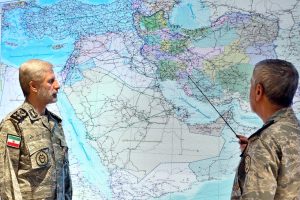
In June, after weeks suggesting openness to diplomatic solutions regarding Iran’s nuclear program, Trump publicly emphasized his administration’s commitment to peaceful resolution on June 13.
 What happened next shocked international observers:
- Israeli forces launched strikes against Iranian targets
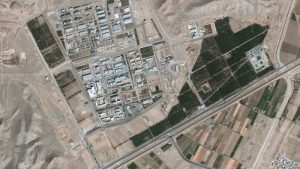
- Days later, on June 22, American B-2 strategic bombers conducted devastating attacks on Iran’s Fordow underground nuclear facility
- Additional strikes targeted the Natanz and Isfahan nuclear sites
These attacks specifically targeted Iran’s most fortified nuclear infrastructure immediately following positive diplomatic messaging, catching Tehran completely unprepared.
Current Situation: Decoding Trump’s Mixed Signals on Iranian Protests
Recent civil unrest in Iran has prompted another round of contradictory messaging from Trump:
Initial Aggressive Stance: Trump publicly encouraged demonstrators with statements like “KEEP PROTESTING HELP IS ON ITS WAY,” suggesting potential American intervention.
Sudden Softening: Within 24 hours, Trump reversed tone dramatically, claiming Iranian officials assured him that:
- Security forces had ceased using lethal force against protesters
- Detained activists would not face execution
Iran’s diplomatic representatives have denied planning mass executions, and both sides have adopted more measured public language.
Trump’s Threats Beyond Iran: A Broader Pattern
Trump’s willingness to use aggressive pressure extends beyond traditional adversaries to include allied nations:
Canada: Faced threats regarding trade disputes and border security Denmark and Greenland: Trump seriously pursued acquiring Greenland, proposing to purchase the autonomous Danish territory for its strategic location and natural resources.
When Denmark rejected this proposition, Trump didn’t simply abandon the idea but continued pressing the strategic importance of American presence in the Arctic region.
Expert Analysis: Strategic Bluffing or Genuine Military Planning?
Foreign policy specialists offer varying interpretations of Trump’s intentions:
Jeremy Shapiro (European Council on Foreign Relations) suggests Trump employs dramatic threats primarily for domestic political consumption, typically following through only against targets posing minimal risk to American forces.
Qandil Abbas (Quaid-e-Azam University) characterizes Trump as impulsive and motivated by legacy building objectives, including potentially seeking recognition through major foreign policy achievements. Abbas warns that with Israeli government support, military action against Iran remains plausible.
Regional government analysts view Trump’s inconsistency as deliberate psychological warfare designed to keep adversaries uncertain and unable to prepare effective responses.
Will Trump Launch Military Operations Against Iran?
Current indicators show:
- Public rhetoric has moderated significantly
- Diplomatic channels appear active
- Iranian officials deny imminent executions of protesters
- Both governments signal interest in reducing tensions
However, Trump’s historical pattern suggests:
- Diplomatic language has preceded his most significant military operations
- Apparent de escalation can serve as cover for surprise attacks
- His decision making remains fundamentally unpredictable
- Previous strikes on Iran occurred during periods of diplomatic optimism
Key Takeaway: Preparing for Multiple Scenarios
The international community cannot afford to interpret Trump’s softened tone as definitive proof that military action is off the table. His track record in Venezuela, previous Iran operations, and broader foreign policy approach demonstrate that diplomatic engagement and military strikes are not mutually exclusive in his strategic playbook.
As tensions continue, regional powers, international organizations, and Iran itself must prepare for multiple possibilities simultaneously genuine diplomatic breakthrough, continued standoff, or sudden military escalation regardless of ongoing negotiations.
The ultimate question remains unanswered: Is Trump’s current diplomatic language a genuine peace effort, or simply the calm before another calculated storm?