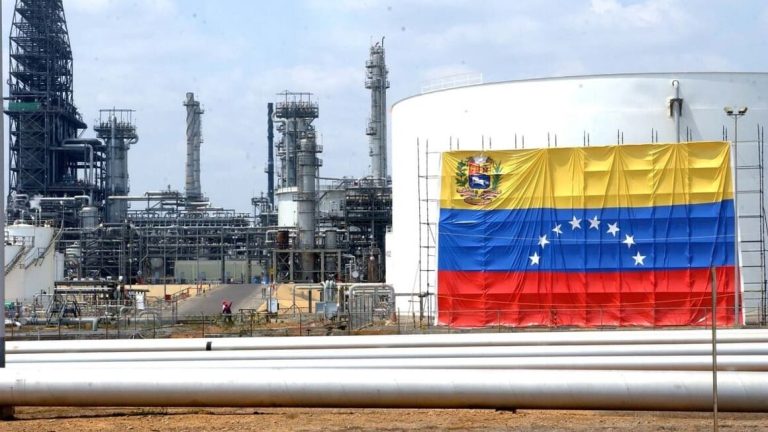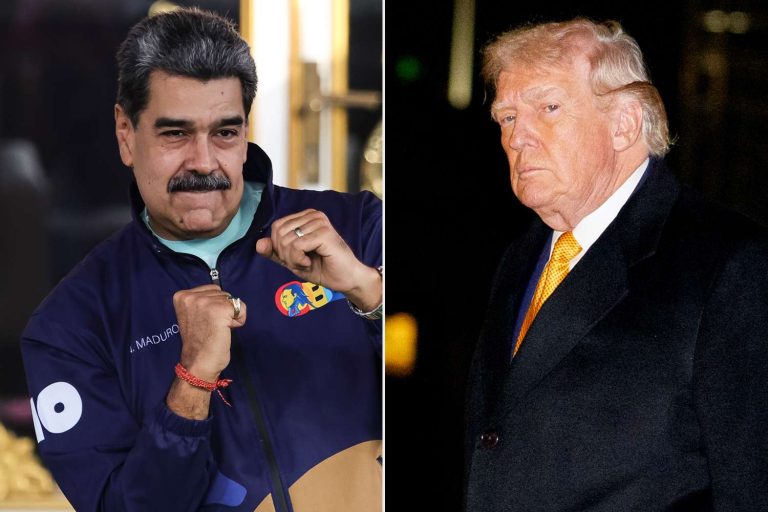

In a dramatic escalation of US-Venezuela relations, Washington has announced plans to take long-term control of Venezuela’s oil production and sales a move that has sparked fierce criticism from Venezuela’s interim authorities and raised questions about sovereignty, economics, and regional stability.
What the United States Says?
Officials in the Trump administration have made clear that they intend to oversee Venezuela’s vast oil resources for the foreseeable future. According to senior US energy officials, the United States will market Venezuelan crude indefinitely, beginning with tens of millions of barrels of stockpiled oil that it now controls and extending into future production.
The revenues from these oil sales are to be managed by the US government, with officials saying they will be used in ways that benefit both Venezuelans and Americans.
US leaders have described the control of Venezuelan oil as a lever to stabilize the country’s economy, rebuild its energy sector, and shape its political transition following the recent capture of President Nicolás Maduro.
They have also backed a strategy that selectively lifts sanctions to allow oil export and investment under terms favorable to the United States.
Secretary of State Marco Rubio has emphasized that the US will have “tremendous leverage” over Venezuela precisely because of its control of oil revenues, which he says can help drive stability and reduce corruption.
Venezuela’s Response: Push back and Protests
Delcy Rodríguez, serving as Venezuela’s interim leader following Maduro’s detention, has rejected the notion that the United States should dictate how her country uses its natural resources. She insists that any oil partnerships must truly benefit the Venezuelan people and respect national sovereignty.
While Rodríguez has signaled a willingness to negotiate commercial oil transactions with foreign partners, she has made clear that Venezuela’s oil wealth belongs to its population not foreign governments.
Rodríguez also maintains publicly that no foreign power is governing Venezuela, even as Washington asserts effective control over parts of its economy. This tension underscores a broader political struggle over legitimacy and authority in Caracas.
Why This Matters
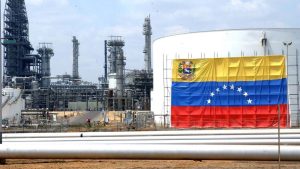
Venezuela sits on the world’s largest proven oil reserves, but its economy has been crippled by years of sanctions, mismanagement, and declining production. Oil has historically funded public services, imports, and government budgets meaning control over Venezuela’s oil flows affects everything from inflation to social programs.

Control of these exports by the US even if framed as temporary represents not just an economic shift but a major geopolitical development. Critics argue it could violate principles of sovereignty and international law, while supporters claim it offers a pragmatic route to economic recovery after decades of crisis.
What’s Next?
As the situation evolves, several key questions remain unanswered:
-
How will Venezuelan citizens themselves respond to foreign control of their oil earnings?
-
Will major global powers challenge US policy in Caracas?
-
And can oil revenue control be a tool for genuine stability, or will it deepen divisions?
With both sides entrenched in their positions, the debate over Venezuela’s oil wealth is likely to shape relations between Caracas and Washington and the broader geopolitics of Latin America for months or even years to come.
Source; BBC and other media outlets