
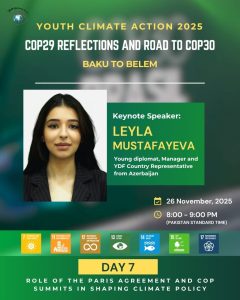
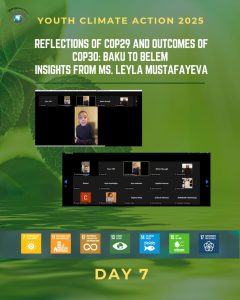
Baku to Belem: A Pivotal Moment for Global Climate Action
As the world prepares to move from COP29 in Baku Azerbaijan to COP30 in Belem Brazil the global climate agenda stands at a critical turning point.
These two consecutive climate conferences hosted in strategically important regions carry the potential to reshape how nations collaborate finance and implement climate solutions over the next decade.
With escalating climate disasters widening finance gaps and increasing demand for youth centered climate leadership the transition from Baku to Belem represents far more than a shift in geographic location. It symbolizes a shift in global responsibility ambition and hope.
COP29 Baku: Setting the Stage for Climate Finance Reform
COP29 hosted in Baku arrives at a moment when climate finance has become the single biggest determinant of climate action. For developing nations especially in the Global South access to fair predictable and sufficient climate finance remains a persistent challenge.
Key Expectations for COP29:
A new climate finance goal to replace the unmet USD 100 billion target
Increased adaptation finance especially for vulnerable nations
Debt relief and innovative financing models for climate affected countries
Greater inclusion of youth and civil society in negotiations
Azerbaijan’s unique geopolitical position bridging Europe and Asia makes Baku an ideal host to bring emerging economies developed nations and small island states together for meaningful negotiation.
Why COP29 Matters for the Global South?
The Global South continues to face disproportionate climate impacts including floods heatwaves and droughts while contributing the least to global emissions. COP29 is expected to:
Push for climate justice and equitable support
Demand technology transfer and capacity building
Advocate for loss and damage financing mechanisms
Youth groups including the Youth Diplomacy Forum expect a stronger voice at the table calling for long term inclusive and accountable climate commitments.
COP30 Belem: From Commitments to Implementation
While COP29 is expected to define how much funding will be mobilized COP30 in Belem Brazil scheduled for 2025 will focus on how that funding will be used.
As Brazil prepares to host this historic conference in the heart of the Amazon Rainforest COP30 will highlight:
Protection of the Amazon the worlds largest carbon sink
Indigenous led climate solutions
Nature based strategies for biodiversity preservation
The first global stocktake implementation roadmap
Stronger climate adaptation and resilience frameworks
Belem will symbolize a global commitment to protecting nature uplifting indigenous voices and accelerating community rooted solutions.
Baku to Belem: A Journey of Urgency Equity and Hope
The transition from Baku to Belem represents a powerful narrative.
From Finance to Action
Baku will likely unlock financial commitments. Belem will push for real world implementation including projects policies and community impact.
From Negotiation Rooms to Forests and Frontlines
Moving from the Caucasus to the Amazon underscores the need to connect high level policy discussions with on ground climate realities.
From Global Agreements to Local Solutions
Both COPs stress that climate solutions cannot be one size fits all. Local innovation youth participation and indigenous knowledge must shape global outcomes.
The Role of Youth: Leading the Shift
Youth leaders worldwide including YDF members are stepping up with:
Climate education initiatives
Research and policy briefs
Advocacy campaigns
Technology driven climate solutions
Social entrepreneurship and community projects
From Baku to Belem youth voices will be vital in ensuring transparency accountability and ambition.
What This Means for Pakistan and South Asia?
For Pakistan and its region among the hardest hit by climate change the Baku to Belem pathway provides opportunities to:
Access increased climate finance
Strengthen adaptation strategies
Promote regional collaboration
Showcase youth led climate leadership
Advocate for climate resilient infrastructure
YDF will continue to amplify the perspectives of young leaders ensuring South Asian priorities are represented globally.
Conclusion: A Defining Two Year Window for the Planet
The world stands at a crossroads. What begins in Baku must continue and strengthen in Belem.
These summits are not just conferences. They are a collective test of political will global solidarity and intergenerational responsibility.
The next two years are critical. Decisions made now will shape the climate future of billions.
With youth leading the charge there is hope that from Baku to Belem the world will move closer to a sustainable fair and climate resilient future.