
Russia-Ukraine War Day 1,303: Regional Security and NATO’s Tightening Circle
Introduction:
As the Russia-Ukraine war reaches Day 1,303, the conflict’s impact now extends deep into Europe’s security architecture. NATO members and the European Union are recalibrating their strategies to counter Russia’s persistence, while Ukraine intensifies cross-border strikes. The result is a security environment defined by heightened tension, sanctions escalation, and renewed questions about Europe’s long-term resilience.
Ukrainian Strikes and NATO’s Eastern Front:
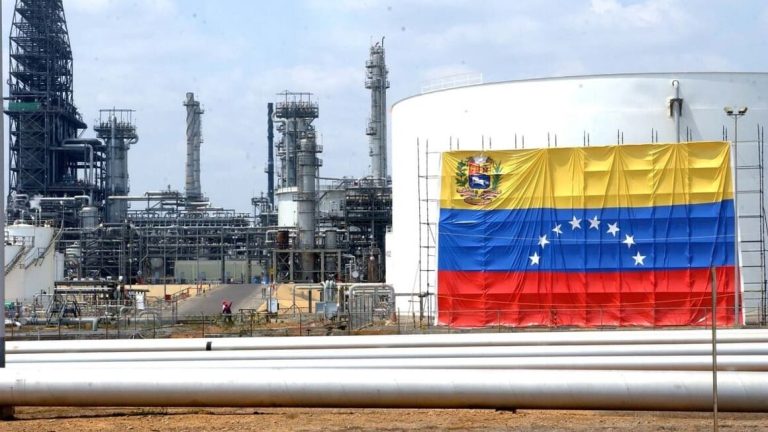
Ukraine has maintained its ability to reach beyond the battlefield, conducting drone strikes on oil refineries and industrial facilities inside Russia.
These actions, intended to weaken Moscow’s wartime economy, also send a strong message to NATO allies: Ukraine is still capable of undermining the infrastructure that sustains Russia’s military operations.

For NATO, such strikes reinforce the importance of forward deployments and rapid-response forces along its eastern flank. States like Poland, Lithuania, Latvia, and Estonia continue to view Ukraine’s resilience as directly tied to their own security.
EU Sanctions: Economic Measures as Security Tools:
The European Commission’s proposed 19th sanctions package, which includes a ban on Russian liquefied natural gas (LNG), underlines Europe’s recognition that energy is not just an economic asset, but a strategic vulnerability. Cutting Russia’s leverage over energy supplies also reduces the risk of coercion against EU and NATO members.
By aligning economic resilience with military preparedness, NATO and the EU demonstrate how hybrid security strategies are now essential in confronting Moscow.
Global Partners Reinforce NATO’s Security Vision:
Beyond Europe, partners like Australia have also expanded sanctions, targeting 95 “shadow fleet” vessels used by Russia to bypass restrictions. By lowering its Russian oil price cap, Australia complements Western measures and strengthens collective pressure on Moscow.

This widening sanctions net highlights that NATO’s deterrence is not solely military; it is backed by a global coalition capable of aligning economic and diplomatic levers.
Russia’s Adjustments and Regional Risks:
In Moscow, the government is scrambling to offset revenue losses. New tax proposals targeting the wealthy and efforts to insulate the budget from fluctuating oil prices reveal both resilience and vulnerability.
For NATO, this is a double-edged signal: Russia is adaptable, but at growing domestic cost. At the regional level, the danger lies in escalation.
As Ukraine strikes deeper into Russian territory and sanctions tighten, Moscow could respond with hybrid warfare tactics cyberattacks, disinformation campaigns, or attempts to destabilize NATO’s eastern members.
Conclusion:
Day 1,303 of the Russia-Ukraine war demonstrates that this conflict is as much about regional security systems as it is about territorial battles. For Ukraine, NATO’s backing and the EU’s sanctions create breathing space to continue resisting.
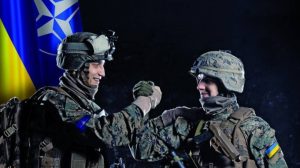
For NATO and the EU, holding firm against Moscow is not only about Ukraine’s sovereignty it is about the credibility of the European order itself.
In today’s conflict landscape, security is shaped not only by armies and tanks, but by sanctions, pipelines, and alliances. The resilience of these combined tools will determine whether Europe can withstand the tests of aggression and instability.